Key Takeaways
-
Understanding the Basics
Enterprise software development is essential for large organisations to streamline operations.
-
Evaluating Solutions
Proper evaluation of software solutions is key to meeting business needs.
-
Data Management Importance
Effective data management enhances decision-making and operational efficiency.
-
Custom vs Off-the-Shelf
Custom solutions provide tailored functionality compared to standard software.
Enterprise software development is a crucial aspect for Australian founders, owners, CTOs, product leads, and operations leaders looking to enhance their organisational efficiency and productivity. Understanding the intricacies of enterprise software is essential for evaluating suitable solutions that align with business goals and operational needs. This guide aims to provide a comprehensive overview of what enterprise software development entails, including common use cases, architecture, integrations, scalability, security, data management, implementation, maintenance, and modernisation.
As businesses grow and evolve, the need for tailored software solutions becomes increasingly apparent. Whether it’s custom enterprise software, off-the-shelf solutions, or cloud-based applications, knowing how to compare these options against existing systems is vital. Additionally, understanding the nuances of enterprise application development, such as requirements gathering, architecture design, testing, deployment, and ongoing maintenance, can significantly impact the success of software initiatives.
This guide will also explore the benefits and trade-offs of custom enterprise software versus configurable platforms, helping leaders make informed decisions that best suit their organisational needs. By the end of this article, readers will be equipped with the knowledge to navigate the complexities of enterprise software development and implement solutions that drive their business forward.
What is Enterprise Software Development?
Enterprise software development refers to the process of creating software applications tailored to meet the specific needs of an organisation, particularly larger businesses with complex requirements. Unlike off-the-shelf solutions, enterprise applications are designed to integrate seamlessly with existing systems, support various business processes, and scale as the organisation grows.
Common use cases for enterprise software include:
- Customer Relationship Management (CRM) systems, Enterprise Resource Planning (ERP) software, Supply Chain Management (SCM) tools, Human Resource Management (HRM) applications
The architecture of enterprise software is often multi-tiered, allowing for a separation of concerns among user interfaces, business logic, and data storage. This structure not only enhances performance but also makes the system more manageable and scalable. Integration with other systems is crucial, as enterprise software often needs to communicate with legacy systems, third-party applications, and cloud services.
When evaluating enterprise solutions, businesses should consider:
- Scalability: Can the software grow with the organisation?
- Security: How does the software protect sensitive data?
- Data Management: Is there a robust system in place for data storage, retrieval, and analysis?
- Implementation: What resources are required for deployment, and how will it impact existing operations?
- Maintenance and Modernisation: How will the software be updated and maintained over time?
For those considering custom solutions, it’s essential to weigh the benefits of tailored systems against the potential drawbacks of configurable or off-the-shelf platforms. Each option has its own set of trade-offs, and understanding these can help guide the decision-making process.
For more information on how to manage your organisation's data effectively, you can explore our page on Data Management.
Common Use Cases for Enterprise Software
Enterprise software development encompasses the creation of software solutions tailored to meet the specific needs of large organisations. These applications are designed to enhance productivity, streamline operations, and manage large volumes of data effectively. Understanding the common use cases for enterprise software can help Australian business leaders identify the right solutions for their organisations.
One prevalent use case is customer relationship management (CRM). CRMs help businesses manage interactions with current and potential customers, providing insights into customer behaviour and preferences. This enables companies to tailor their marketing efforts and improve customer satisfaction.
Another significant application is enterprise resource planning (ERP). ERPs integrate various business processes, such as finance, HR, and supply chain management, into a single system. This holistic view enables better decision-making and resource allocation, ultimately driving efficiency.
Supply chain management software is also critical for businesses that rely on complex logistics. These systems help track inventory, manage suppliers, and optimise delivery routes, ensuring that products reach customers in a timely manner.
Additionally, human resources information systems (HRIS) streamline employee management processes, from recruitment to payroll. By automating these tasks, organisations can reduce administrative burdens and focus on strategic initiatives.
When evaluating enterprise software solutions, it’s essential to consider how well they align with operational requirements and existing systems. For a deeper understanding of how to integrate cloud technologies into your operations, check out our guide on Cloud Development.
In summary, recognising these common use cases can guide business leaders in selecting the most appropriate enterprise software development solutions for their organisations.
Evaluating Enterprise Software Solutions
Enterprise software development encompasses the creation of software tailored to meet the specific needs of organisations, particularly larger enterprises. This type of software is designed to enhance operational efficiency, streamline processes, and support complex workflows. When evaluating enterprise software solutions, it's essential to consider several key factors that can significantly impact your organisation's success.
Common use cases for enterprise software include:
- Customer Relationship Management (CRM): Helps manage interactions with customers and prospects.
- Enterprise Resource Planning (ERP): Integrates core business processes, including finance, HR, and supply chain management.
- Human Resource Management Systems (HRMS): Streamlines HR processes such as recruitment, payroll, and performance management.
The architecture of enterprise software typically involves multiple layers, including the user interface, application logic, and data management. This layered approach allows for better scalability and integration with existing systems.
When assessing different platforms, consider the following:
- Integrations: Ensure the software can connect seamlessly with your current tools and systems.
- Scalability: The solution should grow with your business, accommodating increasing data and user demands.
- Security: Evaluate the security measures in place to protect sensitive data and comply with regulations like the Australian Privacy Principles.
Implementing enterprise software requires careful planning, including defining requirements, selecting the right architecture, and executing a thorough testing process. Ongoing maintenance and modernisation are also crucial to keep the software relevant and efficient.
For organisations considering a tailored approach, exploring options for developing bespoke solutions can provide advantages over off-the-shelf products. Understanding the trade-offs between custom and configurable platforms is essential in making an informed decision. For more insights, check out our guide on building software around complex business workflows.
Understanding Enterprise Application Development
Enterprise software development refers to the creation of software solutions tailored to meet the specific needs of an organisation. These applications are designed to enhance operational efficiency, facilitate data management, and support business processes. Understanding enterprise software development is crucial for Australian founders, owners, CTOs, product leads, and operations leaders as they evaluate suitable solutions for their organisations.
Common use cases for enterprise software include:
- Customer Relationship Management (CRM) systems, Enterprise Resource Planning (ERP) systems, Supply Chain Management (SCM) applications, Human Resource Management (HRM) systems
The architecture of enterprise applications often involves complex integrations with existing systems, ensuring seamless data flow and functionality. Scalability is a key consideration, as businesses may need to accommodate growth or changing operational requirements. Security is another critical factor, particularly in light of the Australian Privacy Principles, which govern how personal information is handled.
Data management is integral to enterprise software, allowing for effective storage, retrieval, and analysis of information. Implementation and maintenance processes should be well-defined to ensure that the software remains aligned with business goals over time. Modernisation of legacy systems is often necessary to keep pace with technological advancements and evolving business needs.
When comparing enterprise software solutions, organisations should assess platforms against their operational requirements and existing systems. Custom enterprise software may be appropriate when off-the-shelf solutions do not meet specific needs, but this comes with trade-offs, including potentially higher costs and longer development times. For a deeper understanding of software development in Australia, explore our detailed guide on A Complete Guide To Software Development In Australia.
Custom Enterprise Software vs Off-the-Shelf Solutions
When considering enterprise software development, Australian businesses often face the choice between custom solutions and off-the-shelf products. Both options have their merits, and understanding the differences can help organisations make informed decisions.
Custom enterprise software is specifically designed to meet the unique needs of a business. This approach allows for tailored functionalities that align closely with operational workflows. Some advantages of custom solutions include:
- Flexibility: Custom software can be adapted as the business evolves, ensuring that it remains relevant and effective.
- Integration: Tailored systems can be built to seamlessly integrate with existing tools and platforms, enhancing overall efficiency.
- Scalability: As a business grows, custom software can be expanded to accommodate increased demand without significant overhauls.
On the other hand, off-the-shelf solutions offer a more immediate and often cost-effective alternative. These products are ready to use and typically come with standard features that cater to a broad audience. Key benefits include:
- Lower Initial Costs: Purchasing an existing solution often requires less upfront investment compared to custom development.
- Quick Deployment: Off-the-shelf software can be implemented rapidly, which is ideal for businesses needing immediate solutions.
- Vendor Support: Established software providers usually offer robust support and regular updates, ensuring that the system remains secure and functional.
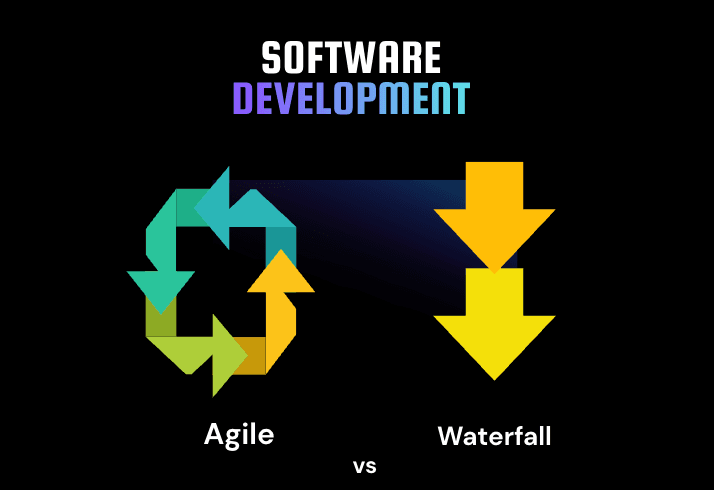
Ultimately, the choice between custom enterprise software and off-the-shelf solutions depends on the specific needs of the organisation. Factors such as budget, timeline, and long-term goals should all be considered. For a deeper understanding of software development methodologies, you can explore the differences between Agile and Waterfall in this detailed guide on Agile Vs Waterfall In Software Development Key Differences Explained.
Key Considerations for Data Management
Data management is a critical aspect of enterprise software development that can significantly influence the success of your organisation. Properly managing data ensures that your systems are reliable, secure, and scalable, which is essential for meeting the demands of modern business operations. Here are some key considerations for effective data management within enterprise software solutions:
Data Architecture: Establish a robust data architecture that defines how data is collected, stored, and accessed. This structure should align with your business processes and facilitate easy integration with other systems.
Data Integration: Ensure your enterprise software can seamlessly integrate with existing systems. This is crucial for maintaining data consistency and enabling real-time data sharing across departments. Consider using APIs or middleware solutions for effective integration.
Scalability: As your organisation grows, so will your data needs. Choose enterprise solutions that can scale easily, accommodating increased data volume without compromising performance.
Data Security: Implement strong security measures to protect sensitive data. This includes encryption, access controls, and regular security audits. Adhering to the Australian Privacy Principles is essential for compliance and safeguarding customer information.
Data Quality: Maintain high data quality by establishing processes for data validation and cleansing. Poor data quality can lead to inaccurate reporting and decision-making.
Implementation and Maintenance: Plan for ongoing maintenance and updates of your data management systems. Regularly review and optimise your processes to adapt to changing business needs.
Training and Support: Provide adequate training for staff on data management practices and the tools they will use. This ensures everyone understands their role in maintaining data integrity.
For further insights on how software can enhance productivity, check out how Adelaide Builders Improve Workforce Productivity With Software.
How Dev House Australia Supports Enterprise Software Development
Dev House Australia supports organisations that need enterprise systems designed around complex workflows, existing technology environments, and long-term operational requirements. This can include requirements analysis, software architecture, enterprise application development, cloud integration, API development, data management, system modernisation, and the development of tailored platforms that connect multiple business functions. The focus is on creating solutions that fit the organisation’s processes rather than forcing teams to adapt to unsuitable software.
For Australian businesses evaluating enterprise software development, Dev House Australia can also support the technical planning needed before development begins. This includes assessing integration requirements, scalability, security, maintainability, and how a new platform will work alongside existing ERP, CRM, cloud, data, and legacy systems. A structured approach can help organisations reduce unnecessary complexity, prioritise the capabilities that matter most, and build enterprise software that can evolve as operational needs change.
Conclusion
Enterprise software development gives Australian organisations the opportunity to build or modernise systems around their operational requirements, data flows, integrations, and long-term growth plans. The right approach will depend on factors such as business complexity, existing technology, security requirements, available budget, implementation timelines, and whether a configurable platform can meet the organisation’s needs without excessive compromise.
Before choosing between custom enterprise software and an off-the-shelf solution, businesses should define the processes they need to support and the outcomes they expect the technology to deliver. A well-planned enterprise software strategy can improve system integration, data visibility, scalability, and operational consistency while giving the organisation a clearer foundation for future digital initiatives.