Key Takeaways
-
Speed of Development
Low-code and no-code platforms can accelerate application development, enabling quicker responses to business needs.
-
Empowerment of Business Users
These platforms allow non-technical users to create applications, reducing the reliance on IT departments.
-
Cost Considerations
While initial development may be cheaper, total costs can include licensing, maintenance, and integration expenses.
-
Governance is Essential
Proper governance is crucial to manage applications built on these platforms and ensure compliance with business standards.
Low-code no-code development is rapidly gaining traction among Australian businesses as a means to streamline application development. For founders, owners, CTOs, product leads, and operations leaders, understanding the practical benefits and limitations of these platforms is crucial. Low-code and no-code approaches allow users to create applications with minimal coding, thereby enabling faster delivery of business solutions. This can be particularly beneficial for SMEs looking to enhance operational efficiency without the need for extensive technical resources.
However, while the allure of rapid development and ease of use is strong, these platforms come with their own set of risks and limitations. It's essential to assess whether low-code or no-code solutions align with your business needs. Factors such as integration capabilities, scalability, security, and governance must be carefully considered to ensure that the chosen approach is sustainable in the long run. As we explore these aspects, we will also highlight suitable use cases where low-code and no-code development can shine, as well as scenarios where traditional software engineering might still be necessary.
Defining Low-Code and No-Code Development
Low-code and no-code development represent two approaches that allow businesses to create applications with minimal coding effort. While they share similarities, they cater to different needs and user capabilities.
Low-code development platforms enable users to build applications using a combination of visual development tools and traditional coding. This flexibility allows professional developers to extend applications or integrate complex functionalities when necessary. For instance, a business might use a low-code platform to create an internal tool that automates data entry, while still allowing developers to write custom scripts for specific business logic.
On the other hand, no-code development focuses on visual configuration without requiring any coding skills. This approach is ideal for non-technical users, enabling them to create applications or workflows quickly. For example, a marketing team could use a no-code tool to set up a customer feedback form and automate responses without needing IT support.
It's essential to recognise that the boundary between low-code and no-code can vary by platform. Some low-code platforms may offer no-code capabilities, while others might require more extensive coding knowledge. Therefore, businesses should assess the actual capabilities of a platform rather than relying solely on labels.
When considering low-code or no-code solutions, organisations should start with the specific business problem they aim to solve. This approach ensures that the chosen platform aligns with the identified workflows, user needs, and integration requirements. By focusing on the problem first, businesses can select the most suitable development approach, whether that be low-code, no-code, or traditional coding methods.
Benefits of Low-Code and No-Code Development
Low-code and no-code development platforms offer significant advantages for Australian businesses looking to streamline their software development processes. These platforms enable users to create applications with minimal coding, allowing for quicker deployment and reduced reliance on traditional development resources. This flexibility is particularly beneficial for small to medium enterprises (SMEs) that may not have extensive IT departments.
One of the key benefits of low-code platforms is their ability to facilitate rapid application development. Business teams can prototype and iterate on applications faster than with conventional methods, enabling quicker responses to market changes or internal needs. This can be particularly advantageous for developing internal tools, approval workflows, and operational dashboards that require less technical complexity.
No-code platforms, on the other hand, focus primarily on visual configuration, allowing non-technical users to create applications without writing code. This empowers business teams to take charge of their own solutions, fostering innovation and reducing bottlenecks in IT.
However, while these platforms can significantly speed up development, they are not without limitations. Businesses should carefully assess their specific needs and workflows before adopting a low-code or no-code solution. For instance, complex business rules or unique integrations may still necessitate professional software engineering. Additionally, organisations must consider governance, security, and maintenance implications when implementing these platforms.
To maximise the benefits of low-code and no-code development, businesses should start by clearly defining their requirements, workflows, and user roles. This foundational step ensures that the chosen platform aligns well with their operational needs and long-term goals. For more information on cloud integration with these platforms, see our page on Cloud Development.

Ready to Explore Low-Code and No-Code Solutions?
Discover how low-code and no-code development can benefit your business. Our experts are here to help you navigate your options and find the right solutions.
Common Use Cases for Low-Code Platforms
Low-code and no-code development platforms are increasingly popular among Australian businesses for their ability to streamline application creation. These platforms enable users to build applications with minimal coding, making it easier for non-developers to participate in the development process. However, understanding when and how to use these tools effectively is crucial for maximising their benefits while mitigating potential risks.
Common use cases for low-code platforms include creating internal tools, automating approval workflows, and developing operational dashboards. For example, a small business in Sydney might use a low-code platform to build a simple data-entry application that allows staff to input customer information without needing extensive technical skills. This approach can lead to faster implementation times and reduced reliance on IT departments.
No-code platforms, on the other hand, cater primarily to users without technical backgrounds, allowing them to configure applications through visual interfaces. These tools are particularly effective for straightforward applications, such as forms and basic workflow automation, where the requirements are stable and well-defined.
When evaluating these platforms, it's essential to consider factors such as integration capabilities, scalability, and governance. Low-code platforms can integrate with existing business systems like CRM and ERP solutions, but teams should plan these integrations carefully to avoid compatibility issues. Additionally, while low-code tools can speed up development, they may not be suitable for complex applications that require extensive customisation or high transaction volumes.
Ultimately, businesses should start by identifying their specific needs and workflows before selecting a platform. This approach ensures that the chosen solution aligns with their operational requirements and long-term goals. For more insights on planning and governance, refer to our page on IT Consultancy Advisory.
Limitations and Risks of Low-Code and No-Code Development
Low-code and no-code development can significantly streamline the process of building applications, but they come with limitations and risks that Australian businesses should carefully consider. Understanding the differences between these two approaches is crucial. Low-code platforms typically allow for some degree of professional coding, enabling developers to extend functionality beyond the built-in features. In contrast, no-code tools are designed for non-technical users, focusing on visual configuration and predefined capabilities.
One of the primary benefits of low-code development is the speed of initial implementation, particularly for straightforward applications. This can empower smaller teams to create internal tools quickly, utilising reusable components and visual development interfaces. However, this speed can lead to pitfalls if not managed properly. For instance, rapid application development can result in poorly structured workflows, making maintenance and scalability more challenging in the long run.
When considering low-code or no-code solutions, businesses should start by analysing their specific requirements. This includes understanding user roles, workflows, and integration needs. Platforms may vary significantly in their capabilities, so it’s essential to assess the actual features rather than relying solely on marketing labels. Additionally, organisations must be aware of governance issues, such as who can create and publish applications, to prevent shadow IT scenarios where business users build tools without proper oversight.
In summary, while low-code and no-code development can offer substantial benefits, it is vital to weigh these against the potential limitations and risks. Proper planning and governance can help mitigate these risks and ensure that the chosen solution aligns with the organisation's long-term goals. For more insights, you can refer to our guide on software development in Australia.
Integration Considerations for Low-Code Applications
Low-code and no-code development approaches are becoming increasingly popular among Australian businesses for creating applications and automating workflows. While both methods aim to simplify the development process, they cater to different needs and user capabilities. Low-code platforms offer a blend of visual development tools and the option for custom coding, making them suitable for teams that may require more complex functionalities. In contrast, no-code platforms focus entirely on visual configuration, allowing non-developers to create applications without writing code.
When considering low-code and no-code solutions, it's essential to start with the business problem and workflow rather than immediately selecting a platform. This approach ensures that the chosen solution aligns with the specific needs of the organisation. Common use cases for these platforms include internal tools, approval workflows, operational dashboards, and simple data-entry applications. These scenarios typically involve relatively stable processes with modest technical complexity and limited integration requirements.
However, there are instances where low-code or no-code may not be suitable. Complex business rules, high transaction volumes, and specialised security requirements often necessitate professional software engineering. Additionally, organisations should be aware of the potential for vendor lock-in and the need for ongoing maintenance, as well as the importance of governance to manage who can create and deploy applications effectively.
For businesses considering these approaches, it’s crucial to weigh the benefits against the limitations. While low-code and no-code can accelerate development and reduce the need for extensive technical resources, careful planning and analysis are necessary to ensure long-term success.
Planning a software project in Australia?
Tell us what you want to build. We’ll help you shape the scope and the next step in a free consultation.
Governance and Maintenance of Low-Code Solutions
Low-code and no-code development approaches offer significant advantages for Australian businesses, particularly in terms of speed and accessibility. Low-code platforms allow users to create applications with minimal coding, while no-code solutions enable non-developers to build applications through visual interfaces and pre-defined functionalities. This distinction is crucial; low-code generally permits some coding for customisation, whereas no-code focuses entirely on visual configuration.
These platforms are particularly effective for developing internal tools, approval workflows, and simple data-entry applications. They work best in environments where workflows are relatively stable and technical complexity is modest. For example, a small business in Melbourne might use a no-code tool to automate its expense approval process, allowing team members to submit requests through a user-friendly interface without needing IT support.
However, there are limitations to consider. Low-code and no-code platforms may struggle with complex business rules, unusual integrations, or high transaction volumes. For instance, a finance department requiring intricate reporting and real-time data analysis might find that a low-code solution cannot meet its performance needs.
Before selecting a platform, businesses should start with a clear understanding of their requirements, including user roles, workflows, and integration needs. This approach ensures that the chosen solution aligns with the organisation's objectives and can adapt to future changes.
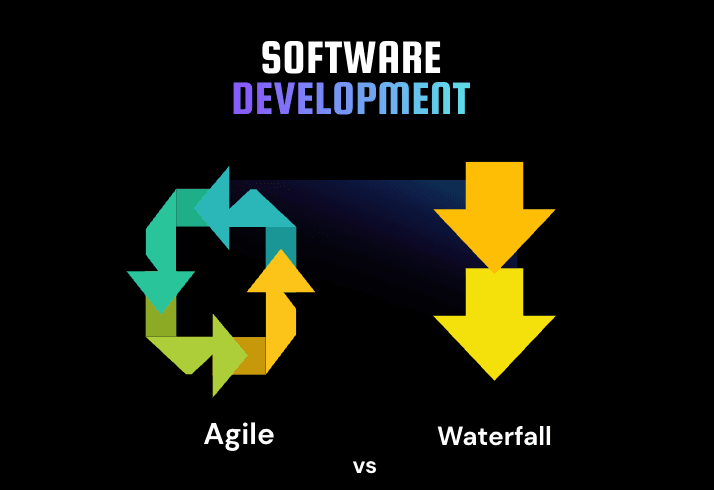
For more detailed insights on software development methodologies, you can explore the differences between Agile and Waterfall in Agile Vs Waterfall In Software Development Key Differences Explained.
How Dev House Australia Supports Low-Code and No-Code Development
Dev House Australia supports Australian businesses in assessing whether low-code, no-code, or a more tailored development approach best fits their operational requirements. This can include reviewing business workflows, user roles, integration needs, scalability, security, governance, and long-term maintenance before a platform is selected. For straightforward internal tools, approval workflows, dashboards, or data-entry applications, a visual development platform may provide a practical option when the requirements align closely with the platform’s capabilities.
For organisations with more complex requirements, Dev House Australia can also support integration with existing CRM and ERP systems, workflow automation, cloud integration, application testing, and technical planning. Where low-code or no-code platforms begin to create limitations around complex business rules, unusual integrations, high transaction volumes, or specialised security requirements, the approach can incorporate professional software engineering or a hybrid architecture rather than forcing every requirement into a single platform.
Conclusion
Low-code and no-code development can provide a practical way for businesses to create internal applications, automate straightforward workflows, and test ideas without relying entirely on traditional development methods. Their value is strongest when workflows are relatively stable, integration requirements are manageable, and the selected platform closely matches the organisation’s needs.
For Australian businesses, the decision should also consider scalability, security, governance, vendor dependency, integration complexity, maintenance, and the expected lifespan of the application. Evaluating these factors early can help determine whether low-code, no-code, a hybrid approach, or professional software engineering provides the most sustainable option for the business.