Key Takeaways
-
Understanding APIs
APIs are essential for enabling communication between different software systems.
-
Integration Benefits
Effective API integration can streamline business processes and enhance data sharing.
-
Security Considerations
API security is crucial to protect sensitive data and ensure reliable access.
-
Custom Solutions
Custom APIs can address unique business challenges and improve operational efficiency.
Understanding API development in Australia is essential for founders, business owners, CTOs, product leads, and operations leaders looking to enhance their digital offerings. APIs, or Application Programming Interfaces, serve as the backbone for connecting various software applications, enabling them to communicate and share data seamlessly. This capability is crucial for businesses aiming to integrate different systems, streamline operations, and improve user experiences.
In this guide, we will cover the fundamentals of API development, including how APIs function, the different types of APIs, and the architectural considerations involved. We'll also explore important aspects such as authentication, security, and documentation, which are vital for ensuring that APIs operate effectively and securely. Additionally, we will discuss the integration of APIs with existing systems, including legacy software, third-party applications, and cloud platforms, to create a cohesive technology ecosystem.
By understanding these elements, Australian businesses can make informed decisions about implementing APIs to support their unique processes, whether it's for eCommerce, CRM systems, or mobile applications. This knowledge will empower leaders to harness the full potential of APIs, driving efficiency and innovation within their organisations.
Understanding API Development
APIs, or Application Programming Interfaces, serve as the backbone of modern software development, enabling different applications to communicate and share data seamlessly. Understanding API development in Australia is crucial for founders, owners, and CTOs who want to enhance their business processes and integrate various systems effectively.
APIs can be classified into several types, including REST APIs, which are widely used for web services, and webhooks that allow real-time data sharing between applications. The architecture of an API often includes endpoints that facilitate requests and responses, making it essential to design these interfaces thoughtfully for optimal performance.
When considering API development, authentication and security are paramount. Implementing robust authentication mechanisms ensures that only authorised users can access sensitive data. Encryption of data during transmission adds an extra layer of protection against potential breaches.
Documentation is another critical aspect of API development. Clear, comprehensive documentation helps developers understand how to use the API effectively, reducing the likelihood of errors and enhancing the overall user experience. Testing and monitoring APIs post-deployment are also necessary to ensure they function as intended and remain reliable over time.
For businesses with unique needs, custom API development may be the best solution. Tailored APIs can address specific workflows, integrate legacy systems, or connect with third-party services. This approach allows organisations to optimise their operations and enhance their digital products.
To explore how tailored APIs can streamline your operations, check out our page on Business Process Automation.
How APIs Work in Business Systems
APIs, or Application Programming Interfaces, are essential components in modern business systems, enabling different software applications to communicate and share data. They serve as intermediaries, allowing various systems, be it databases, cloud platforms, or third-party services, to connect seamlessly. Understanding how APIs work is crucial for Australian businesses looking to enhance their operational efficiency and integrate their digital products.
APIs come in various types, including REST APIs and web APIs. REST APIs are particularly popular due to their simplicity and scalability, making them suitable for web applications. They follow a stateless communication protocol, which allows for efficient data exchange. Web APIs, on the other hand, can include various protocols and formats, providing flexibility for specific business needs.
When implementing APIs, it’s vital to consider architecture and security. Proper API architecture ensures that systems can scale and adapt to changing business requirements. Security measures, such as authentication and encryption, protect sensitive data during transmission. Additionally, comprehensive documentation is essential for developers to understand how to use the API effectively.
Testing and monitoring APIs are critical steps in the development process. Rigorous testing helps identify potential issues before deployment, while ongoing monitoring ensures that APIs perform reliably over time. Businesses should also plan for versioning to manage updates without disrupting existing integrations.
For many Australian companies, such as those in the CRM or ecommerce sectors, custom API development may be necessary to address unique operational challenges. This approach allows for tailored solutions that fit specific workflows or legacy systems, ensuring that all components work together harmoniously. Exploring options for connecting applications through tailored APIs can significantly enhance productivity and user experience.
Common Types of APIs
APIs, or Application Programming Interfaces, are essential tools that allow different software applications to communicate with each other. They enable the integration of various systems, allowing businesses to streamline processes and enhance functionality. Understanding the common types of APIs is crucial for any Australian business looking to improve its operations through technology.
REST APIs: Representational State Transfer (REST) APIs are widely used due to their simplicity and efficiency. They follow standard HTTP methods, making them easy to use and integrate with web applications. REST APIs are stateless, meaning each request from a client contains all the information needed to process it.
Web APIs: These are APIs that can be accessed over the internet, allowing applications to interact with each other regardless of their underlying architecture. Web APIs can be RESTful or use other protocols, such as SOAP (Simple Object Access Protocol).
API Gateways: An API gateway acts as a single entry point for multiple APIs. It handles requests by routing them to the appropriate backend services, managing traffic, and ensuring security. This can simplify the management of APIs for businesses with multiple services.
Webhooks: Unlike traditional APIs that require a request to retrieve data, webhooks send real-time data to a specified URL when an event occurs. This is useful for applications that need to respond immediately to changes, such as payment confirmations or user registrations.
API Documentation: Good documentation is vital for any API. It provides developers with the necessary information to integrate and use the API effectively. Clear documentation can significantly reduce the time required for integration and troubleshooting.
Understanding these API types can help Australian businesses make informed decisions about their technology integration strategies. For more on how to connect legacy and cloud applications, check out our page on Cloud Development.
API Integration Approaches
API integration is essential for modern businesses, connecting various applications, databases, and systems to streamline operations. Understanding the different approaches to API integration can help you choose the right method for your organisation’s needs.
One common approach is using REST APIs, which operate over HTTP and are widely adopted due to their simplicity and scalability. REST APIs allow different software systems to communicate by using standard HTTP methods like GET, POST, PUT, and DELETE. This makes them suitable for web services, mobile applications, and cloud platforms.
Another approach is employing API gateways, which act as intermediaries between clients and backend services. They manage requests, handle authentication, and provide caching, thus enhancing performance and security. API gateways are particularly useful when integrating multiple microservices, as they simplify client interactions with various APIs.
Webhooks are also worth considering. They enable real-time communication by sending data from one application to another as soon as an event occurs. This is beneficial for applications that require immediate updates, such as payment processing or notifications.
When developing APIs, proper documentation is crucial. Well-documented APIs help developers understand how to integrate them effectively, reducing errors and improving efficiency. Additionally, consider the security aspects, such as implementing authentication and encryption to protect sensitive data during transmission.
For businesses looking to connect legacy systems with modern applications, custom API development is often necessary. Tailored APIs can bridge the gap between outdated systems and new technologies, ensuring seamless data flow and functionality.
For further insights on integrating various business systems, check out our article on how marketplace businesses integrate ERP, CRM, and payment systems.
Custom API Development for Business Needs
APIs, or Application Programming Interfaces, serve as the backbone for modern software interaction, allowing different applications to communicate with each other. They enable seamless data exchange between systems, whether they are internal applications, cloud services, or third-party platforms. Understanding API development is crucial for Australian businesses looking to enhance their operational efficiency and integrate various software solutions.
There are several common types of APIs, including REST APIs, which are widely used due to their simplicity and scalability. Web APIs facilitate interactions over the web, while API gateways manage traffic and security for multiple APIs. Understanding these types helps businesses choose the right approach for their needs.
When developing APIs, several factors come into play, including architecture, authentication, and security. Proper authentication ensures that only authorised users can access the API, while security measures protect sensitive data. Documentation is also vital; clear and comprehensive API documentation helps developers understand how to use the API effectively.
Deployment and ongoing maintenance are critical stages in the API lifecycle. After deployment, monitoring the API's performance and reliability is essential to ensure it meets business needs. Versioning is another important consideration, as it allows businesses to update APIs without disrupting existing integrations.
For businesses with unique requirements, custom API development may be necessary. This is particularly true for specialised processes, proprietary applications, or when integrating legacy systems with modern cloud solutions. Understanding these aspects of API development can significantly enhance how businesses operate and connect their software systems, ultimately leading to improved efficiency and productivity. For more on software development practices in Australia, check out A Complete Guide To Software Development In Australia.
Key Considerations for API Security
When considering API security, it's essential to focus on several key aspects to ensure the protection of your business's data and systems. APIs, or Application Programming Interfaces, serve as intermediaries that allow different software applications to communicate. With their increasing use in connecting various business systems, understanding the security implications is crucial.
Firstly, authentication and authorisation are foundational elements. Implementing robust methods, such as OAuth or API keys, helps ensure that only authorised users can access your APIs. Additionally, encryption should be employed to protect data in transit, safeguarding sensitive information from potential breaches.
Rate limiting is another critical security measure. By controlling the number of requests a user can make in a given timeframe, you can mitigate the risk of denial-of-service attacks. Similarly, implementing access controls ensures that users only have access to the data and functionalities necessary for their roles.
Monitoring and logging API activity is vital for identifying unusual patterns that may indicate a security threat. Regular audits of your API usage can help detect vulnerabilities early on. Furthermore, maintaining a clear versioning strategy allows you to manage updates and changes effectively, reducing the risk of introducing security flaws.
Finally, consider the challenges associated with third-party APIs. Changes made by external providers can impact your application, leading to unexpected security vulnerabilities. Establishing a solid error handling strategy and maintaining good documentation can help manage these risks effectively.
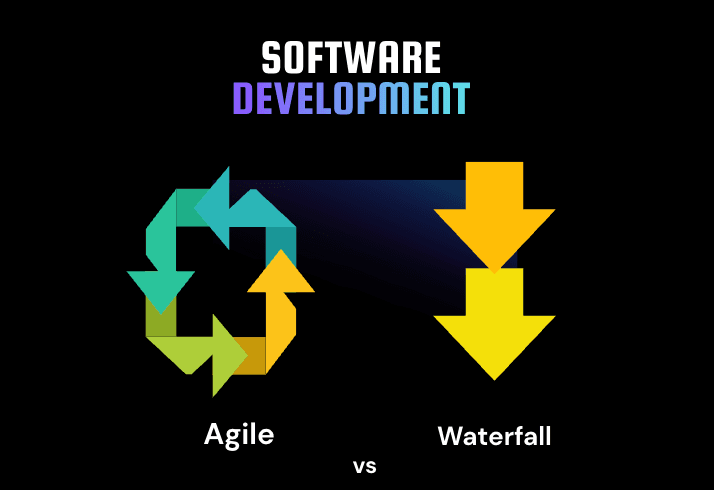
For more insights into managing software development methodologies, check out our article on Agile Vs Waterfall In Software Development Key Differences Explained.
How Dev House Australia Supports API Development and Integration
Dev House Australia supports businesses that need APIs to connect applications, cloud platforms, databases, third-party services, and legacy systems. This can include API architecture, custom API development, system integration, authentication, documentation, testing, deployment, monitoring, and ongoing maintenance. The focus is on building reliable integrations that support existing business processes and enable systems to exchange data securely and efficiently.
For Australian organisations with more complex integration requirements, Dev House Australia can also support software API integration across CRM, ERP, ecommerce, mobile applications, payment platforms, and internal systems. This includes assessing technical dependencies, data formats, scalability, performance, versioning, and security requirements so that integrations remain maintainable as applications and external services evolve.
Conclusion
API development gives Australian businesses a practical way to connect systems, share data, automate workflows, and extend the capabilities of existing software. The right approach depends on factors such as application architecture, integration complexity, security requirements, scalability, third-party dependencies, and the long-term maintenance needs of each system.
Before implementing an API or integration, organisations should define the business process they want to support and understand how data will move between applications. Careful planning around authentication, documentation, monitoring, versioning, and error handling can reduce integration risks and help businesses build a more connected and flexible technology environment.