Key Takeaways
-
Enhanced Collaboration
DevOps promotes teamwork between development and operations, leading to faster problem resolution.
-
Improved Software Quality
Automation in testing and deployment reduces errors and enhances the overall quality of software releases.
-
Faster Delivery Cycles
Continuous integration and delivery practices enable quicker release cycles, allowing businesses to respond to market changes.
-
Increased Operational Visibility
DevOps practices provide better insights into application performance and infrastructure health.
Understanding DevOps software development is crucial for Australian founders, business owners, CTOs, product leads, and operations leaders who want to enhance their software delivery processes. DevOps is not merely a set of tools; it represents a cultural shift that integrates development and operations teams to improve collaboration, increase deployment reliability, and ensure ongoing application management. By adopting DevOps practices, organisations can streamline their workflows, reduce manual errors, and foster a more responsive approach to software development.
In Australia, where competition is fierce and customer expectations are high, understanding how DevOps can transform software delivery is essential. This approach enables teams to plan, code, test, deploy, and monitor applications more effectively. By breaking down silos between development and operations, organisations can achieve greater visibility into their processes, leading to quicker feedback loops and improved operational efficiency.
This article will explore the fundamental aspects of DevOps software development, including continuous integration and delivery, automation, testing, and monitoring. It will also address the common pitfalls to avoid and provide practical steps for Australian businesses looking to adopt DevOps incrementally. With the right understanding and implementation, DevOps can significantly enhance the way software is delivered and managed in your organisation.
What is DevOps Software Development?
DevOps software development is an approach that integrates development and operations teams to improve software delivery, collaboration, and overall efficiency. By breaking down silos between these two traditionally separate functions, organisations can achieve faster and more reliable releases. This integration allows for continuous feedback and improvement throughout the software lifecycle, from planning and coding to testing, deployment, and maintenance.
In a typical development environment, handovers between teams can lead to delays, inconsistencies, and increased risk. DevOps aims to eliminate these issues by fostering a culture of shared ownership and responsibility. Development and operations teams work together, utilising automation and modern practices to streamline workflows. This includes practices such as continuous integration (CI) and continuous delivery (CD), which automate the building, testing, and deployment processes.
Continuous integration involves regularly merging code changes into a shared repository, where automated builds and tests are run to identify issues early in the development process. Continuous delivery extends this by ensuring that code is always in a deployable state, allowing for more frequent and reliable releases. While not every organisation requires full automation, understanding these concepts is crucial for improving software delivery.
Infrastructure as code (IaC) is another key practice within DevOps, enabling teams to manage and provision infrastructure through code, ensuring consistency and repeatability across environments. This approach reduces manual configuration errors and enhances collaboration between development and operations.
For Australian businesses considering DevOps, assessing existing infrastructure and deployment processes is essential. Understanding current capabilities and identifying areas for improvement can guide the adoption of DevOps practices. For more detailed insights, check out our page on DevOps services.
The Relationship Between Development and Operations
Understanding DevOps software development is essential for Australian businesses aiming to enhance their software delivery and operational efficiency. At its core, DevOps is about fostering collaboration between development and operations teams to streamline processes and improve the reliability of software releases. Traditionally, these teams operated in silos, leading to slower release cycles and increased risks during deployment. By integrating these functions, organisations can achieve faster feedback loops, better visibility, and more consistent environments.
One of the key practices within DevOps is continuous integration (CI), which involves automatically building and testing code as it is integrated into the main branch. This approach helps identify issues early in the development process, reducing the time and cost associated with fixing bugs later on. Continuous delivery (CD) follows, ensuring that code changes are automatically prepared for release to production. While some organisations may not require fully automated production releases, the principles of CI/CD can significantly enhance deployment reliability.
Infrastructure as code (IaC) is another vital aspect of DevOps. This practice allows teams to manage and provision infrastructure through code, ensuring consistency across different environments. By version-controlling infrastructure definitions, businesses can reduce manual configuration errors and streamline their deployment processes.
Monitoring and observability are also critical components. By implementing robust monitoring solutions, organisations can track application performance, detect issues, and gather operational feedback. This data can inform continuous improvement efforts and enhance overall system reliability.
For Australian businesses considering DevOps, it’s important to assess existing infrastructure, deployment processes, and team capabilities. Understanding these elements can help determine the right approach to adopting DevOps practices and potentially engaging external support when needed. For more insights on managing cloud infrastructure, check out our page on Cloud Development.
Key Practices in DevOps
DevOps is a collaborative approach that bridges the gap between software development and IT operations, aiming to enhance the efficiency and reliability of software delivery. This methodology encourages a culture of shared responsibility, where developers and operations teams work together throughout the entire software lifecycle. By breaking down silos, DevOps reduces the friction often caused by separate, manual handovers, which can lead to slower releases, inconsistent environments, and increased deployment risks.
Key practices in DevOps include continuous integration (CI) and continuous delivery (CD). CI involves automatically integrating code changes into a shared repository, allowing for early detection of issues through automated testing. This process helps identify problems sooner in the development cycle, reducing the risk of significant setbacks later on. CD takes this a step further by ensuring that code can be reliably released to production at any time, although not every organisation needs fully automated production releases.
The CI/CD pipeline is a crucial component of DevOps, comprising automated build, test, and deployment stages that create a more repeatable software delivery process. This automation not only accelerates the release cycle but also enhances the consistency of deployments, making it easier to manage changes and rollbacks when necessary.
Incorporating infrastructure as code (IaC) is another vital practice, allowing teams to define and manage infrastructure through code, which leads to repeatable environment configurations and reduces manual errors. This approach is particularly beneficial in maintaining consistency across development, testing, staging, and production environments.
For Australian businesses considering DevOps software development, it's essential to evaluate existing infrastructure, deployment processes, and the team's technical capabilities to identify areas for improvement and automation maturity. By adopting these practices incrementally, organisations can enhance their software delivery processes without overwhelming their teams.
Benefits of Implementing DevOps
Implementing DevOps practices can significantly enhance software delivery and operational efficiency for Australian businesses. At its core, DevOps is a cultural shift that fosters collaboration between development and operations teams, breaking down silos that often hinder productivity. When these teams work closely, they can streamline processes, reduce errors, and improve the overall quality of software.
One of the key benefits of DevOps is the introduction of Continuous Integration (CI) and Continuous Delivery (CD). CI involves automated builds and code integration, allowing teams to identify issues early in the development cycle. This early detection reduces the cost and time associated with fixing bugs later. CD takes this a step further by automating the release process, ensuring that software can be deployed reliably and frequently.
Another important aspect is infrastructure as code (IaC), which allows teams to manage and provision infrastructure through code. This practice ensures consistency across different environments, reduces manual configuration errors, and makes it easier to replicate setups. With IaC, teams can version control their infrastructure, just like they do with application code, leading to more reliable deployments.
Monitoring and observability are also critical in a DevOps environment. By implementing comprehensive monitoring solutions, businesses can gain insights into application performance and infrastructure health. This visibility enables teams to respond quickly to incidents, improving reliability and user satisfaction.
For Australian businesses considering external DevOps support, it's essential to assess current infrastructure, deployment processes, and team capabilities. Understanding these factors can help identify the right approach to implementing DevOps practices tailored to specific organisational needs. For a deeper dive into software development in Australia, you can check out this complete guide.
How to Start Your DevOps Journey in Australia
Understanding DevOps is essential for Australian businesses aiming to enhance their software delivery processes. At its core, DevOps is a cultural and technical shift that fosters collaboration between development and operations teams. This collaboration addresses the common pitfalls of traditional software development methods, such as slow releases and inconsistent environments. By integrating these two functions, organisations can streamline workflows and improve visibility throughout the software lifecycle.
In practice, DevOps encourages continuous integration and continuous delivery (CI/CD). Continuous integration involves automating the process of merging code changes into a shared repository, allowing for automated builds and tests. This approach helps identify problems earlier in the development cycle, reducing the risk of errors in production. Continuous delivery takes this a step further by ensuring that code changes are automatically prepared for release to production, although not every organisation needs to implement full automation.
The relationship between development and operations is crucial. When these teams work in silos, manual handovers can lead to deployment risks and limited operational visibility. By adopting DevOps practices, businesses can create a more cohesive workflow that promotes shared ownership and accountability. This shift not only enhances efficiency but also supports faster feedback loops between users, development teams, and product stakeholders.
As Australian businesses consider adopting DevOps, they should assess their current infrastructure, deployment processes, and technical capabilities. Understanding these elements will help identify areas for improvement and guide the implementation of DevOps practices effectively. For more insights on improving productivity through software, check out how Adelaide Builders Improve Workforce Productivity With Software.
What is DevOps software development?
DevOps software development is a methodology that bridges the gap between software development and IT operations. It promotes collaboration, communication, and integration between these two traditionally separate functions. By fostering a culture of shared responsibility, DevOps aims to enhance the speed and quality of software delivery, streamline deployment processes, and improve operational efficiency.
At its core, DevOps encourages teams to work together throughout the entire software lifecycle, from planning and coding to testing, deployment, and monitoring. This collaborative approach helps to eliminate the bottlenecks that often arise from manual handovers and siloed teams. For instance, when developers and operations personnel collaborate closely, they can identify potential issues earlier in the process, leading to faster resolutions and more reliable releases.
Key practices in DevOps include continuous integration (CI) and continuous delivery (CD). CI involves automatically building and testing code changes, allowing teams to detect and fix issues early. CD takes this a step further by automating the release process, enabling teams to deploy updates to production quickly and consistently. This means that businesses can respond to user feedback and market changes more effectively.
Infrastructure as code (IaC) is another crucial aspect of DevOps. It allows teams to manage and provision infrastructure through code, ensuring that environments are consistent and repeatable. This reduces the risk of configuration errors and enhances the reliability of deployments.
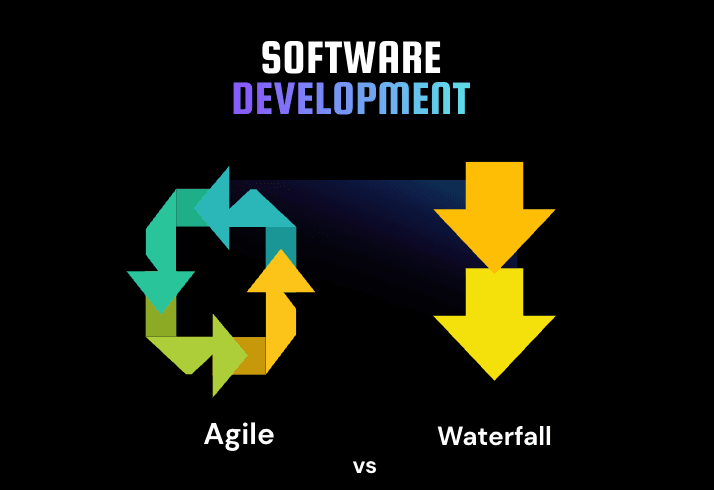
In summary, adopting DevOps software development practices can lead to improved collaboration, faster delivery cycles, and enhanced operational visibility, all of which are vital for Australian businesses looking to stay competitive. For a deeper understanding of software development methodologies, you might find the article on Agile vs Waterfall in Software Development insightful.
How Dev House Australia Supports DevOps Software Development
Dev House Australia supports Australian businesses that need more reliable and repeatable software delivery processes. This can include reviewing existing development and deployment workflows, setting up continuous integration and continuous delivery pipelines, introducing infrastructure as code, improving environment consistency, automating deployments, and strengthening monitoring and observability. The focus is on reducing unnecessary manual work while giving development and operations teams clearer visibility across the software lifecycle.
For organisations with growing applications or cloud environments, Dev House Australia can also support release management, automated testing, rollback planning, infrastructure automation, application monitoring, incident response processes, and ongoing optimisation. This helps teams create more consistent deployment practices, identify issues earlier, and improve collaboration between development, operations, QA, security, and product stakeholders.
Conclusion
DevOps can help Australian businesses improve the way software moves from development into production by combining collaboration, automation, testing, infrastructure management, and monitoring. Practices such as CI/CD and infrastructure as code can make releases more repeatable while reducing the risks created by inconsistent environments and manual deployment processes.
The right DevOps approach should match the organisation’s existing infrastructure, release frequency, technical capability, application complexity, and operational priorities. Rather than adopting every tool at once, businesses can introduce improvements gradually, focusing first on the parts of the delivery process that create the greatest delays, risks, or visibility gaps.