Key Takeaways
-
Understand the Stages
Familiarise yourself with each stage of software development, from validation to post-launch.
-
Define Your MVP Clearly
Focus on the essential features that validate your core assumptions, rather than creating a low-quality version.
-
Prioritise Requirements
Separate must-have features from those that can be deferred to future releases.
-
Incorporate User Feedback
Engage with users throughout the development process to refine your product.
Navigating the path of startup software development is crucial for Australian founders, startup owners, CTOs, product leads, and operations leaders. Transforming a software idea into a successful product involves several stages, from validating the concept to launching and iterating on the final product. Understanding each phase of this journey is essential to ensure that resources are used effectively and that the product meets market needs.
In Australia, where startups often face unique challenges such as limited budgets and tight timelines, it is vital to focus on validating the business problem, identifying target users, and formulating a clear value proposition. This groundwork sets the stage for creating a Minimum Viable Product (MVP), which should encompass the smallest set of features necessary to test core assumptions without compromising on quality.
Moreover, the differences between startup development and mature enterprise projects cannot be overlooked. Startups must remain agile, adapting to evolving requirements and market uncertainties while prioritising learning and feedback. This article will guide you through the entire process of startup software development, covering everything from idea validation and MVP planning to post-launch maintenance and iteration.
Understanding Startup Software Development
To successfully navigate startup software development in Australia, founders must begin with a solid understanding of their business problem and the target users. Validating these elements is crucial before committing to significant investments in software. This involves conducting thorough market research and engaging potential users to gather feedback on the proposed solution.
Once the foundational elements are validated, the next step is defining a Minimum Viable Product (MVP). An MVP should encapsulate the smallest useful feature set that can effectively test the most critical product assumptions. It’s important to view the MVP not as a stripped-down version of the final product but as a strategic tool to gather insights and validate ideas with real users.
Prioritising requirements is another essential aspect of startup software development. Founders should differentiate between must-have features for the initial launch and those that can be deferred for future updates. This helps in managing resources effectively and ensures that the product can be released on time.
Product discovery and technical planning should include user journeys, functional and non-functional requirements, and considerations for integrations and data needs. Security should also be a priority from the outset, addressing authentication, authorisation, and secure data handling to mitigate risks.
For a practical approach, founders can consider creating a roadmap that outlines the stages from idea validation to launch. This roadmap can serve as a guide to ensure that all necessary steps are covered, including testing critical product workflows before release and planning for post-launch improvements. By focusing on these areas, startups can better position themselves for success in a competitive market.
For further insights, explore how to turn an early product idea into a testable MVP.
Validating Your Software Idea
Validating a software idea is a critical step for Australian founders and startup owners. Before committing substantial resources to development, it’s essential to ensure that your concept addresses a genuine market need. Here are key steps to effectively validate your software idea:
Identify the Business Problem: Start by clearly defining the problem your software aims to solve. Engage with potential users to understand their pain points and gather insights about their experiences. This helps in ensuring that your solution is relevant and needed.
Define Target Users: Knowing your audience is crucial. Create user personas that represent your ideal customers. This will guide your development process and help tailor features to meet their specific needs.
Value Proposition: Articulate what makes your software unique. What benefits does it provide that competitors do not? A strong value proposition can help attract early adopters and investors.
Core Workflow: Map out the primary workflow of your application. This includes identifying the key tasks users will perform and how they will interact with your software. This step is vital for designing an intuitive user experience.
Commercial Assumptions: Validate your assumptions about pricing, revenue models, and market demand. Conduct surveys or interviews to test these assumptions before you invest in development.
Minimum Viable Product (MVP): Focus on building an MVP that encompasses the smallest useful feature set necessary to test your core assumptions. This approach allows you to gather user feedback quickly without overbuilding.
Prioritise Requirements: Distinguish between must-have features for launch and those that can be added later. This helps in managing your budget and timeline effectively.
By following these steps, you can reduce risks associated with startup software development and increase the likelihood of your product's success in the market. For a deeper understanding of building scalable solutions, consider exploring our Cloud Development services.
Defining Your Minimum Viable Product (MVP)
Defining a Minimum Viable Product (MVP) is crucial for startup software development. An MVP is not just a stripped-down version of your final product; instead, it should encapsulate the smallest feature set necessary to validate your core business assumptions. This approach allows you to test the market with minimal investment and time, which is essential for startups operating under tight budgets and timelines.
To start, founders should focus on validating the following key elements:
- Business Problem: Clearly define the problem your product aims to solve. Understanding this will guide your development process.
- Target Users: Identify who will benefit from your solution. Engaging with potential users early can provide valuable insights.
- Value Proposition: Articulate what makes your product unique and why users should choose it over alternatives.
- Core Workflow: Map out the essential steps users will take to achieve their goals using your product.
Once these elements are validated, you can begin defining the MVP. Prioritise features that address the most critical assumptions. It’s important to separate must-have functionalities from those that can be added later. This prioritisation helps streamline development and ensures that you are not overbuilding at this stage.
In terms of product discovery and technical planning, consider user journeys, functional and non-functional requirements, and future scalability. A well-defined architecture can significantly impact the long-term success of your product. Additionally, engaging in user experience (UX) design early on can help create a smoother user journey, reducing friction and enhancing overall satisfaction.
By focusing on these aspects, you can effectively move from idea to MVP, laying a solid foundation for future iterations and improvements.
Requirements Prioritisation for Startups
For startups, prioritising requirements effectively is crucial for transforming a software idea into a successful product. Given the limited budgets and tight timelines typical of startup environments, founders must focus on identifying what features are essential for the initial launch versus those that can be deferred to future iterations.
Start by distinguishing between "must-have" functionalities and "nice-to-have" features. This involves understanding the core value proposition of your product and the primary problems it solves for users. Conducting user interviews and market research can help clarify these priorities.
When defining your Minimum Viable Product (MVP), aim for the smallest feature set that validates your key assumptions about the product and its market fit. This approach allows you to gather valuable feedback without overcommitting resources to features that may not resonate with your target audience.
Consider the following steps for effective requirements prioritisation:
- Identify Core User Needs: Focus on the problems your target users face and how your product addresses them.
- Map User Journeys: Create user journey maps to visualise how users will interact with your product, highlighting critical touchpoints that must be functional at launch.
- Rank Features: Use a scoring system to evaluate features based on factors like user impact, development effort, and alignment with business goals.
- Iterate: Be open to revisiting your priorities as you receive user feedback and market insights post-launch.
This process is not just about cutting features; it’s about ensuring that your startup's software development aligns with user needs and business objectives. For a deeper dive into the overall software development process, check out A Complete Guide To Software Development In Australia.
Product Discovery and Technical Planning
When embarking on startup software development, the initial phase of product discovery and technical planning is crucial. This stage involves validating your business idea and ensuring you have a clear understanding of your target users and their needs. Here’s how to approach this process effectively:
Validate the Business Problem: Before investing time and resources, confirm that the problem you aim to solve is significant and that your target users are willing to pay for the solution. Conduct surveys, interviews, or focus groups to gather insights.
Define Your Value Proposition: Clearly articulate what makes your product unique. This could be a specific feature, a better user experience, or a more efficient solution to the problem at hand.
Identify Core Workflows: Map out the primary tasks users will perform with your product. This will help in understanding the essential features that need to be included in your Minimum Viable Product (MVP).
MVP Planning: Focus on delivering the smallest useful feature set that tests your most critical assumptions. Avoid the temptation to build a fully-fledged product; instead, concentrate on what will provide the most value to users initially.
Requirements Prioritisation: Separate must-have features from those that can wait for later releases. This will help manage your budget and timeline effectively.
User Journeys and Functional Requirements: Create user journey maps that detail how users will interact with your product. Identify the functional and non-functional requirements necessary for a smooth user experience.
Technical Planning: Decide on the technology stack and architecture that will best support your product's needs. Consider factors like speed to market, maintainability, and scalability.
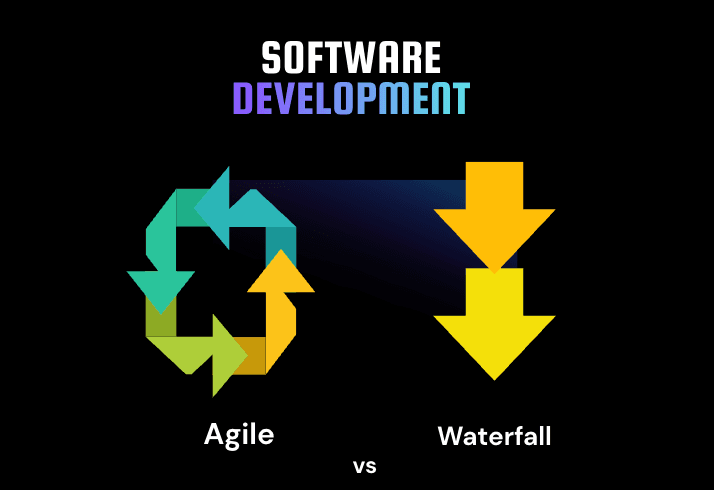
By focusing on these key areas, you can ensure a solid foundation for your startup software development journey. For further insights on how to balance methodologies in your project, check out this guide on Agile Vs Waterfall In Software Development Key Differences Explained.
UX and UI Considerations
When developing a startup application, UX and UI design play a crucial role in ensuring that users have a seamless experience. Founders should focus on creating clear user journeys that guide users through the application effortlessly. This involves understanding the core workflows of your target users and mapping out how they will interact with your product.
To begin, consider the following UX principles:
User-Centric Design: Always design with the end user in mind. Conduct user research to gather insights about their needs, preferences, and pain points. This will help you create a product that resonates with your audience.
Reduce Friction: Identify any obstacles that may hinder user interactions. Simplifying navigation, minimising the number of steps to complete tasks, and ensuring quick load times can significantly enhance user satisfaction.
Consistency: Maintain a consistent look and feel across your application. This includes using a uniform colour palette, typography, and button styles. Consistency reinforces brand identity and helps users navigate more intuitively.
Feedback Mechanisms: Implement feedback loops within your application. When users complete an action, provide immediate feedback, such as confirmation messages or visual cues. This reassures them that their actions have been recognised.
Iterative Testing: Before finalising the design, conduct usability testing with real users. Gather feedback on their experiences and make necessary adjustments. This iterative approach ensures that your product aligns with user expectations.
By prioritising these UX and UI considerations, you can create a startup application that not only meets user needs but also stands out in a competitive market. For further insights on integrating AI into your product, explore our guide on AI Software Development Australia.
How Dev House Australia Supports Startup Software Development
Dev House Australia supports Australian startups that need to turn an early product idea into a practical, testable software product. This can include product discovery, requirements definition, MVP planning, user journey mapping, UX and UI design, software architecture, web or mobile application development, API integration, cloud infrastructure, and testing. The focus is on helping founders prioritise the features that matter most at launch while avoiding unnecessary development before the core product assumptions are validated.
For startups moving from MVP planning into development and launch, Dev House Australia can also support functional testing, integration testing, deployment planning, monitoring, analytics, post-launch maintenance, and future product iterations. This approach helps startups balance speed, budget, technical quality, and scalability while keeping the product flexible enough to respond to customer feedback and changing business priorities.
Conclusion
Startup software development in Australia works best when founders validate the problem and target users before committing significant resources to development. A clearly defined MVP, prioritised requirements, practical user journeys, and an appropriate technical architecture can help startups move from idea to launch without overbuilding the first version.
Launch should also be treated as the beginning of the next product phase rather than the end of development. By monitoring how users interact with the software, collecting feedback, fixing issues, and prioritising future improvements, startups can continue refining the product while managing technical debt, scalability, and long-term maintenance.