Key Takeaways
-
Understand Software Security
Software security involves protecting applications from cyber threats throughout their lifecycle.
-
Implement Best Practices
Adopt secure coding, access control, and regular security assessments to safeguard your software.
-
Embrace DevSecOps
Integrate security into development workflows to enhance software security without slowing down processes.
-
Monitor and Maintain
Ongoing monitoring and maintenance are crucial for addressing vulnerabilities and ensuring software security.
Understanding software security in Australia is crucial for founders, business owners, CTOs, product leads, and operations leaders who are responsible for protecting custom software from cyber threats. With the increasing sophistication of cyber attacks, it’s essential to implement robust software security practices throughout the entire software development lifecycle. This includes everything from planning and architecture to development, testing, deployment, monitoring, and ongoing maintenance.
To effectively safeguard your software, you need to be aware of best practices in secure coding, access control, authentication, encryption, and vulnerability management. These practices help mitigate risks associated with weak authentication, excessive permissions, exposed credentials, and insecure APIs. Additionally, understanding the role of threat modelling and secure architecture can significantly enhance your software's resilience against potential threats.
In this guide, we will explore the various aspects of software security in Australia, providing practical insights on how to build and maintain secure applications. We will cover essential topics such as secure software development, application security, and the importance of ongoing security measures post-launch. By prioritising these practices, you can protect your organisation's digital assets and ensure compliance with Australian regulations.
What is Software Security?
Software security encompasses a comprehensive approach to safeguarding software applications from potential cyber threats throughout their lifecycle. It involves various stages, including planning, architecture, development, testing, deployment, monitoring, maintenance, and updates. By integrating security measures at each of these phases, organisations can significantly reduce their vulnerability to attacks.
In the planning phase, it is crucial to establish security requirements that align with business objectives. This includes defining access controls, authentication methods, and data protection measures. During the architecture phase, a secure design should be prioritised, focusing on minimising attack surfaces and ensuring that components can withstand potential threats.
Secure coding practices are vital during development. Developers should adhere to guidelines that promote secure coding, such as input validation and proper error handling. Regular code reviews and automated testing can help identify vulnerabilities early in the process. Additionally, employing dependency management ensures that third-party libraries and APIs are up-to-date and free from known vulnerabilities.
Once the software is deployed, ongoing security measures are essential. This includes continuous monitoring for suspicious activity, regular patching of software components, and conducting security testing before and after significant updates. By prioritising security controls based on the criticality of the software and the sensitivity of the data it handles, organisations can effectively manage risks.
Incorporating a DevSecOps approach allows teams to integrate security checks seamlessly into their development workflows, ensuring that security remains a priority without hindering productivity. For more insights into maintaining secure application dependencies, consider exploring our page on Cybersecurity.
Best Practices for Secure Software Development
Understanding software security is essential for Australian businesses looking to protect their custom software from cyber threats. It encompasses various stages, including planning, architecture, development, testing, deployment, monitoring, maintenance, and software updates. Here are key best practices to consider:
Secure Coding: Ensure that developers follow secure coding standards to prevent vulnerabilities. This includes input validation to guard against injection attacks and proper error handling to avoid exposing sensitive information.
Access Control: Implement strict access controls, ensuring that users have only the permissions necessary for their roles. This minimises the risk of data breaches through excessive permissions.
Authentication and Authorisation: Use strong authentication mechanisms, such as multi-factor authentication (MFA), to verify user identities. Additionally, ensure that authorisation processes are robust to prevent unauthorised access.
Encryption: Protect sensitive data both in transit and at rest using encryption. This adds a layer of security, making it difficult for attackers to access or decipher the data.
Secrets Management: Use secure methods for managing sensitive information, such as API keys and passwords. Avoid hardcoding secrets in the source code.
Dependency Management: Regularly update third-party libraries and frameworks to patch vulnerabilities. Tools for dependency scanning can help identify outdated or insecure components.
Security Testing: Conduct thorough security testing before deployment and after significant changes. This includes application testing, API testing, and configuration reviews to identify and remediate vulnerabilities.
Ongoing Monitoring and Maintenance: After launch, maintain vigilance through continuous monitoring, logging, and regular reassessment of security measures. This helps to quickly identify and address new threats.
Incorporating these practices into your software development lifecycle will significantly enhance your software security in Australia. For a deeper integration of security into your workflows, consider exploring how to build security checks into deployment workflows with Devsecops.
Application Security Controls Explained
Understanding application security controls is vital for protecting custom software from cyber threats. This involves a comprehensive approach that spans the entire software development lifecycle, ensuring security is embedded from planning through to maintenance.
Begin with secure software development practices. This includes defining security requirements early in the project, implementing secure architecture, and following secure coding standards. Regular code reviews and automated testing should be part of your deployment pipelines to catch vulnerabilities before they reach production.
Application security must also address various components such as web applications, APIs, mobile applications, and backend services. Each of these areas presents unique risks. For instance, web applications are often targets for injection attacks, while APIs may expose sensitive data if not properly secured.
Practical risks to watch for include:
- Weak authentication mechanisms that allow unauthorised access, Excessive permissions granted to users or services, Exposed credentials in code repositories or logs, Vulnerable dependencies that can be exploited, Misconfigurations that leave systems open to attack
To mitigate these risks, implement threat modelling and conduct regular vulnerability scans. This helps identify weak spots in your software architecture and code. Additionally, ensure robust logging and monitoring are in place to detect and respond to security incidents quickly.
Finally, ongoing software security is critical after launch. This includes regular patching of software components, updating dependencies, and conducting access reviews to ensure only the necessary permissions are granted. By prioritising security controls based on the criticality of your software and the sensitivity of the data it handles, you can significantly reduce your risk exposure.
Understanding Software Supply Chain Risks
Understanding the risks associated with software supply chains is crucial for Australian businesses. These risks can arise from various sources, including third-party libraries, APIs, and cloud services. To effectively manage these risks, organisations must adopt a comprehensive approach to software security that spans the entire development lifecycle.
Start by integrating security into the planning and architecture phases. This includes defining security requirements and establishing a secure architecture that considers potential vulnerabilities. During development, implement secure coding practices and conduct regular code reviews to catch issues early. Automated testing in deployment pipelines can help identify vulnerabilities before they reach production.
Application security is another key area. Protect web applications, APIs, mobile applications, and backend services by implementing strong authentication and access control measures. Ensure that sensitive data is encrypted both in transit and at rest, and avoid unnecessary exposure of credentials.
Monitoring and maintaining security after launch is equally important. Regularly update dependencies and patch vulnerabilities to protect against emerging threats. Conduct access reviews and maintain logs to track activity, which can help in identifying potential security breaches.
Incorporating threat modelling and vulnerability scanning into your processes can further enhance security. These practices help identify risks related to weak authentication, misconfigurations, and insecure APIs. By prioritising security controls based on software criticality and data sensitivity, businesses can effectively mitigate risks while maintaining operational efficiency.
For further insights, consider reviewing cybersecurity risks in legacy applications, which can provide additional context for securing your software supply chain.
The Role of DevSecOps in Software Security
To ensure software security in Australia, it is essential to adopt a comprehensive approach that spans the entire software development lifecycle. This includes security considerations during planning, architecture, development, testing, deployment, monitoring, maintenance, and updates.
Start by integrating security requirements into the planning phase. This sets the foundation for secure architecture and coding practices. Secure coding involves implementing best practices such as:
- Access Control: Ensure that only authorised users have access to sensitive areas of your application.
- Authentication and Authorisation: Use strong methods for user verification and limit permissions to the minimum necessary.
- Encryption: Protect data both in transit and at rest to prevent unauthorised access.
- Input Validation: Validate all user inputs to mitigate risks like SQL injection and cross-site scripting.
As development progresses, regular code reviews and automated testing should be employed to identify vulnerabilities early. Tools for dependency scanning can help manage third-party libraries, ensuring they are up-to-date and free from known vulnerabilities.
After deployment, ongoing security measures are crucial. Regular monitoring, logging, and access reviews can help detect and respond to threats. Additionally, businesses should prioritise security controls based on factors like software criticality and data sensitivity.
Finally, consider the role of DevSecOps in integrating security checks seamlessly into development workflows. This approach allows for continuous security assessments without hindering engineering judgement, ensuring that security remains a priority throughout the software lifecycle. For further insights, explore our guide on software development in Australia.
Ongoing Maintenance and Monitoring for Security
Ongoing maintenance and monitoring of software security are crucial for protecting custom software from evolving cyber threats. This involves a comprehensive approach that spans planning, architecture, development, testing, deployment, and ongoing updates.
To ensure robust security, businesses should implement best practices such as:
- Secure coding: Developers should follow secure coding guidelines to prevent vulnerabilities during the coding phase.
- Access control: Limit user permissions based on roles to reduce the risk of unauthorised access.
- Authentication and authorisation: Use strong authentication methods and ensure proper authorisation checks are in place.
- Encryption: Protect sensitive data in transit and at rest to prevent interception and unauthorised access.
- Input validation: Validate all user inputs to mitigate risks like SQL injection and cross-site scripting.
- Logging and monitoring: Maintain comprehensive logs and monitor them for suspicious activities, which can help in identifying potential threats early.
- Patching and vulnerability management: Regularly update software components and libraries to address known vulnerabilities.
Integrating security checks into the software development lifecycle is essential. This includes threat modelling during the planning phase, conducting code reviews, and implementing automated testing in deployment pipelines. Regular security assessments after significant changes or releases are also necessary to identify and remediate vulnerabilities.
Moreover, businesses should be aware of risks introduced by third-party libraries and services. Ensuring the security of these dependencies through regular updates and monitoring is vital for maintaining overall software security. By prioritising security controls based on the criticality of the software and sensitivity of the data, organisations can effectively manage their risk exposure and enhance their software security posture.
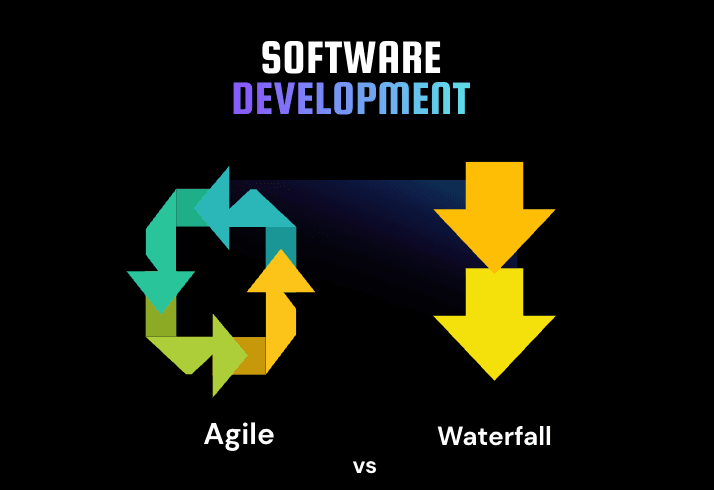
For more insights into effective software development methodologies, check out our article on Agile Vs Waterfall In Software Development Key Differences Explained.
How Dev House Australia Supports Software Security
Dev House Australia supports organisations that need security embedded throughout the software development lifecycle rather than added only before release. This can include secure architecture planning, code review, application security testing, API security, access control, dependency management, vulnerability assessment, and security checks within development and deployment workflows. The focus is on reducing avoidable risks while keeping software maintainable, scalable, and aligned with operational requirements.
For Australian businesses managing custom applications, Dev House Australia can also support DevSecOps practices, cloud security considerations, automated testing, monitoring, patching, and ongoing maintenance. This approach helps teams identify vulnerabilities earlier, manage third-party dependencies more effectively, and maintain stronger security controls as applications, integrations, and infrastructure change over time.
Conclusion
Software security should be treated as an ongoing engineering responsibility rather than a one-time activity before launch. Australian businesses can reduce risk by incorporating secure coding, authentication, access control, encryption, testing, dependency management, monitoring, and patching throughout the software lifecycle.
The most effective approach is to prioritise controls according to application criticality, data sensitivity, architecture, and exposure to external systems. By combining secure development practices with regular reviews, automated checks, and human oversight, organisations can strengthen application security while maintaining reliable and adaptable software.