Key Takeaways
-
Understanding QA
Software quality assurance is essential for maintaining high standards in software development.
-
QA vs Testing
Quality assurance encompasses a wider range of activities than just testing.
-
Importance of Clear Requirements
Clear and well-defined requirements are critical to preventing defects.
-
Continuous Improvement
Regularly reviewing and refining QA processes leads to better software quality.
Software quality assurance is a critical aspect of delivering reliable software solutions for Australian businesses. For founders, owners, CTOs, product leads, and operations leaders, understanding how quality assurance supports the entire software development lifecycle is essential. It not only reduces avoidable defects but also enhances overall quality, ensuring that software meets the needs of users and stakeholders alike.
Quality assurance encompasses a range of processes and activities that begin long before the software is released. It involves defining clear requirements, establishing acceptance criteria, and conducting thorough reviews throughout the development stages. By embedding QA practices early in the process, businesses can identify and address potential issues before they escalate, ultimately saving time and resources.
Moreover, quality assurance is distinct from software testing, although testing is an integral part of the QA process. While testing focuses on evaluating software behaviour and identifying defects, QA is broader and process-oriented, aiming to improve quality at every stage of development. This guide will provide a comprehensive overview of software quality assurance, detailing its importance, processes, and best practices for Australian businesses seeking to enhance their software delivery.
What is Software Quality Assurance?
Software quality assurance (QA) is a systematic process that ensures the quality of software throughout its development lifecycle. It encompasses a wide range of activities, from defining requirements to testing and maintaining software, all aimed at delivering a reliable product that meets user expectations.
QA begins with clear requirements definition, where business rules, acceptance criteria, and user workflows are established. This initial phase is crucial, as unclear or conflicting requirements can lead to defects and rework later in development. By identifying risks early, teams can create a solid foundation for the project.
As the development progresses, QA activities continue to support quality assurance. This includes conducting various types of reviews, such as requirement reviews and design reviews, to ensure that the project aligns with defined expectations. Testing plays a significant role here, but it is just one aspect of the broader QA process. While testing evaluates software behaviour and identifies defects, QA focuses on the overall process and preventative measures.
Different testing methods, including unit testing, integration testing, and user acceptance testing, validate that software functions as intended. Each type of testing serves a specific purpose, such as ensuring that individual components work correctly or that the entire system meets user needs. Both manual and automated testing approaches are important, and a balanced combination often yields the best results.
Effective QA also involves managing defects efficiently. This includes reporting, reproducing, prioritising, and retesting defects to ensure they are resolved without introducing new issues. By embedding QA throughout the software development lifecycle, teams can enhance the quality of their products and reduce the risk of failures in production.
For further insights on how to enhance your software quality assurance processes, visit our services page.
The Role of QA in Software Development
Quality assurance (QA) plays a critical role in the software development lifecycle, ensuring that products meet both functional and non-functional requirements. Unlike software testing, which is primarily focused on identifying defects in the software, QA encompasses a broader range of processes aimed at improving the overall quality of the software.
QA begins at the requirements definition stage. Clear, detailed requirements are essential to prevent defects later in development. This includes defining acceptance criteria, which sets the standards for what constitutes a successful feature. If requirements are vague or incomplete, they can lead to misunderstandings and rework, which can be costly and time-consuming.
Throughout the development process, QA activities should be integrated into each phase. This includes conducting reviews of requirements, design, code, and tests to ensure alignment with business objectives and user needs. Regular feedback loops help identify issues early, enabling teams to address them before they escalate.
Testing is an important component of QA, but it is just one part of the overall strategy. Different types of testing, such as functional, integration, and performance testing, validate that the software behaves as expected under various conditions. For instance, integration testing checks how well the software interacts with other systems, while performance testing assesses its responsiveness and stability under load.
Incorporating QA into Agile development practices can enhance collaboration among teams, allowing for continuous feedback and improvement. By embedding QA processes throughout the development lifecycle, organisations can significantly reduce the risk of defects and improve the reliability of their software products.
For more insights on how to implement effective QA processes, consider exploring AI Automation services that can streamline and enhance your quality assurance efforts.
QA vs Software Testing: Key Differences
Quality assurance (QA) is essential for ensuring software reliability, yet many confuse it with software testing. Understanding the distinction is crucial for Australian businesses aiming to improve their software quality.
QA encompasses a broader scope than testing. It involves systematic processes aimed at preventing defects throughout the software development lifecycle, which includes requirements gathering, design, development, testing, release, and maintenance. In contrast, software testing primarily focuses on evaluating software behaviour and identifying defects after development.
QA begins with defining clear requirements, acceptance criteria, and business rules. Vague or incomplete requirements can lead to significant issues later in development. For instance, if a requirement states that a feature must be "user-friendly" without specific criteria, the development team may interpret this differently, leading to misalignment and potential rework.
Acceptance criteria provide a clear definition of expected software behaviour, ensuring that both development and QA teams are on the same page. Regular software reviews, such as requirement, design, and code reviews, are critical in maintaining quality. These reviews help identify potential issues early, reducing the risk of defects surfacing later.
Testing, while a vital component of QA, should not be the sole focus. It includes various methodologies such as functional testing, regression testing, and user acceptance testing, which validate that the software meets the agreed-upon requirements. Effective QA typically employs a combination of manual and automated testing, depending on the context and specific needs of the project.
By embedding QA throughout the development lifecycle, organisations can significantly reduce defects and enhance overall software quality. This proactive approach not only saves time and resources but also fosters a culture of quality within the team. For further insights, explore how Cloud Development can support your QA efforts.
Building Quality into Requirements and Development
Quality assurance (QA) is a systematic process that ensures software meets specified requirements and is free of defects. It plays a crucial role throughout the software development lifecycle, starting from the initial requirements gathering phase to the final release and maintenance. By embedding QA practices early in the process, businesses can significantly reduce the risk of defects and improve overall software quality.
The foundation of effective QA begins with well-defined requirements. Unclear or conflicting requirements can lead to misunderstandings, resulting in defects that are costly to fix later. Acceptance criteria must be established to provide clear definitions of expected software behaviour, guiding both development and QA teams throughout the project.
QA is not limited to testing; it encompasses a range of activities, including reviews and documentation. Regular requirement, design, and code reviews help identify potential issues before they escalate. This proactive approach ensures that quality is built into the software rather than being an afterthought.
Testing is an integral part of QA, but it is just one component of a broader strategy. Functional testing verifies that features behave as intended, while other types of testing, such as unit, integration, system, and performance testing, ensure comprehensive coverage of the software’s functionality. Both manual and automated testing methods should be employed based on the context and requirements of the project.
By integrating QA into every stage of the development process, organisations can foster a culture of quality that not only enhances software reliability but also boosts stakeholder confidence in the final product. For a deeper understanding of how QA fits into software delivery, check out our guide on A Complete Guide To Software Development In Australia.
Testing Types and Their Importance in QA
Quality assurance (QA) is a comprehensive process that ensures software meets specified requirements and functions correctly throughout its lifecycle. It begins with the definition of requirements, where clear and concise acceptance criteria are crucial. This stage helps to identify business rules, user workflows, and potential risks before development starts. If requirements are unclear or conflicting, it can lead to defects and rework later on, which can be costly for businesses.
Once development begins, QA should be embedded in every phase. This means conducting regular reviews, such as requirement reviews and design reviews, to ensure alignment with expectations. Testing is a critical aspect of QA, but it represents only a part of the overall process. While functional testing validates that features behave according to requirements, other types of testing, including unit, integration, and regression testing, play vital roles in maintaining software quality.
Manual and automated testing approaches should be used in combination to ensure thorough coverage. For instance, regression testing revalidates existing functionality after changes, while integration testing checks how well the software interacts with other systems, such as APIs or databases. Performance testing evaluates the application under expected workloads, focusing on response times and stability, while security testing addresses vulnerabilities that could be exploited.
In Agile environments, QA practices evolve to facilitate faster feedback and collaboration among teams. This iterative approach ensures that quality checks are integrated into deployment pipelines, allowing for continuous improvement. By focusing on business-critical functionality and high-impact scenarios, teams can effectively manage risks and enhance overall software quality. For more insights on improving productivity through software, check out how Adelaide Builders Improve Workforce Productivity With Software.
Managing Defects and Quality Gates
Quality assurance (QA) is a comprehensive process that ensures software meets specified requirements and maintains high standards throughout its lifecycle. It begins before development and extends beyond release, embedding quality checks at every stage. This proactive approach reduces the likelihood of defects, enhances user satisfaction, and ultimately leads to more reliable software delivery.
QA starts with defining clear requirements, acceptance criteria, and business rules. These foundational elements guide the development process and help avoid common pitfalls such as unclear or conflicting requirements, which can lead to costly rework later. Acceptance criteria provide a benchmark for expected software behaviour, ensuring that both development and QA teams have a shared understanding of what success looks like.
Software reviews are integral to QA, encompassing requirement reviews, design reviews, and code reviews. These activities help identify issues early, allowing teams to address them before they escalate. Functional testing validates that features operate according to the agreed requirements, while various testing types, such as unit, integration, system, and regression testing, ensure that the software behaves as intended across different scenarios.
It's essential to distinguish between QA and software testing. While testing focuses on evaluating software behaviour and identifying defects, QA encompasses a broader range of activities aimed at improving processes and preventing defects from occurring in the first place. This holistic view is crucial for maintaining high software quality, as it fosters a culture of continuous improvement and collaboration among all stakeholders involved in the development process.
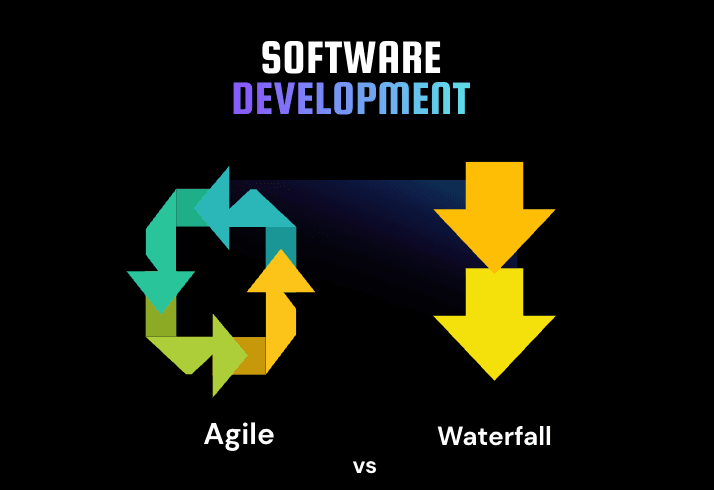
For further insights into how different methodologies impact software delivery, you can explore the comparison of Agile and Waterfall approaches in our article on Agile Vs Waterfall In Software Development Key Differences Explained.
How Dev House Australia Supports Software Quality Assurance
Dev House Australia supports Australian businesses in building quality assurance into the full software development lifecycle rather than treating QA as a final-stage activity. This can include requirements reviews, acceptance criteria, test planning, functional testing, integration testing, regression testing, performance testing, user acceptance testing, and release-readiness checks. The aim is to identify quality risks earlier and make sure software aligns with business requirements before it reaches production.
For organisations with more complex applications, Dev House Australia can also support automated testing, defect management, quality gates, deployment validation, API testing, test-environment planning, and ongoing quality improvement. This approach helps development, QA, product, and operations teams work with clearer expectations, improve visibility across releases, and maintain software quality as applications, integrations, and business requirements evolve.
Conclusion
Software quality assurance is broader than testing alone. It involves building quality into requirements, development, reviews, testing, release decisions, and ongoing maintenance so that potential issues can be identified and addressed throughout the software lifecycle rather than only at the end.
For Australian businesses, an effective QA approach should reflect application complexity, business-critical workflows, integrations, release frequency, technical risk, and user expectations. Clear acceptance criteria, appropriate testing methods, defect management, quality gates, and continuous feedback can help teams maintain reliable software while reducing avoidable rework and release risk.