Key Takeaways
-
Understand Your Needs
Assess your business requirements, workflows, and budget before deciding.
-
Evaluate Costs
Consider both initial and ongoing costs for SaaS and custom software.
-
Implementation Speed Matters
Choose SaaS for quicker deployment; opt for custom software for tailored solutions.
-
Control and Ownership
Consider how much control you need over the software and its updates.
Australian founders, owners, CTOs, product leads, and operations leaders face a crucial decision when it comes to software solutions: whether to choose SaaS custom software or bespoke software tailored specifically for their business needs. Understanding the differences between these two approaches is essential for making an informed choice that aligns with your organisation's requirements, budget, and long-term strategy.
SaaS, or Software as a Service, offers a cloud-based solution that allows businesses to access software applications via the internet, typically on a subscription basis. This model is attractive for its quick implementation and lower upfront costs. In contrast, custom software is developed specifically for a business, providing unique functionalities and workflows that cater to specific operational needs. While this option may require a larger initial investment and longer development time, it can ultimately deliver a more tailored fit for complex requirements.
In this article, we will explore the strengths and limitations of both SaaS and custom software, helping you evaluate factors such as implementation speed, costs, customisation, scalability, and security. By the end, you will have a clearer framework to guide your decision-making process, ensuring that your chosen approach supports your organisation's growth and operational efficiency.
Understanding SaaS and Custom Software
SaaS, or Software as a Service, refers to software solutions hosted in the cloud and accessed via the internet, typically on a subscription basis. This model allows businesses to utilise software without the need for extensive infrastructure or in-house IT resources. Common examples include platforms like Salesforce and Slack, which offer standardised functionality that caters to a wide range of users.
On the other hand, custom software is specifically designed to meet the unique needs of an organisation. This approach allows for tailored functionality that aligns with specific workflows, processes, and business strategies. Custom software can provide competitive advantages by addressing unique operational challenges that off-the-shelf solutions cannot accommodate.
When comparing the two, consider the following factors:
Implementation Speed: SaaS solutions can often be deployed quickly, allowing businesses to start using the software almost immediately. In contrast, custom software requires a thorough discovery process, design, development, and testing, which can prolong implementation.
Cost Structure: SaaS typically involves lower upfront costs due to subscription fees, but ongoing costs can accumulate over time. Custom software may require a higher initial investment, but it can lead to lower long-term costs if designed efficiently.
Customisation: SaaS products often offer limited configuration options, while custom software allows for extensive modifications to meet specific business needs.
Ownership and Control: With SaaS, businesses rely on the vendor for updates and changes, leading to potential vendor lock-in. Custom software provides greater control over features and updates but requires ongoing maintenance and management.
Scalability: SaaS solutions are generally built to scale easily for standard use cases. Custom software can be designed to handle unique scaling requirements but may necessitate careful planning.
Integrations: Consider how each option integrates with existing systems. SaaS may offer pre-built integrations, while custom software can be tailored to connect with specific legacy systems or APIs.
Understanding these differences can help businesses make informed decisions based on their specific needs and long-term strategies. For a deeper look into how to connect existing platforms with business-critical systems, check out our page on Cloud Development.
Key Differences Between SaaS and Custom Software
SaaS, or Software as a Service, provides users with access to software applications hosted in the cloud. This model allows businesses to use software on a subscription basis, often without the need for extensive installation or infrastructure. Common examples include platforms like Salesforce and Slack, where users can quickly sign up and start utilising the software. The key benefits of SaaS include lower upfront costs, rapid deployment, and automatic updates managed by the vendor.
On the other hand, custom software is specifically tailored to meet the unique needs of an organisation. This type of software is built from the ground up, allowing for bespoke functionalities that align closely with a company's workflows and processes. While the development of custom software can be time-consuming and costly, it offers greater flexibility and control over features, user experience, and integration with existing systems.
When comparing the two, it's essential to consider several factors:
Implementation Speed: SaaS solutions can typically be deployed in days or weeks, while custom software may take months due to the discovery, design, and development phases.
Upfront Investment: SaaS usually requires a lower initial investment, as businesses pay subscription fees instead of a large one-time payment. Custom software often involves significant upfront costs for development.
Ongoing Costs: With SaaS, businesses face predictable recurring fees, while custom software may incur ongoing maintenance and support costs.
Customisation: SaaS products offer limited configuration options, whereas custom software can be designed to fit specific operational needs.
Understanding these differences can help Australian business owners make informed decisions based on their unique requirements, budget constraints, and long-term technology strategies. For those considering custom solutions, exploring options for building software around specialised business workflows can be a critical step forward.
Implementation Speed: SaaS vs Custom Software
When considering the implementation speed of SaaS versus custom software, it's essential to understand the fundamental differences between the two. SaaS, or Software as a Service, is a cloud-based solution that allows users to access software applications over the internet, typically on a subscription basis. This model is designed for quick deployment, enabling businesses to start using the software almost immediately after subscribing. In contrast, custom software is specifically developed to meet the unique needs of an organisation, which often involves a more extended process that includes discovery, design, development, testing, and deployment.
SaaS solutions generally have a shorter implementation timeline due to their ready-made nature. Businesses can often set up accounts and begin using the software within hours or days. In comparison, custom software projects can take weeks or months to complete, depending on the complexity of the requirements and the development process.
While SaaS offers rapid implementation, it may not always align with specific business workflows or processes. Custom software, while slower to implement, provides the flexibility to tailor the application to fit the organisation's precise needs. This can be particularly beneficial for businesses with unique operational requirements or those looking to integrate with specific systems.
Ultimately, the choice between SaaS and custom software should be based on the urgency of implementation, the need for customisation, and the long-term goals of the organisation. For businesses that require immediate solutions for standard functions, SaaS may be the better option. However, for those with specialised needs, investing in custom software could yield greater benefits in the long run.
Cost Analysis: Initial and Ongoing Expenses
SaaS (Software as a Service) and custom software represent two distinct approaches to software solutions, each with its own set of advantages and challenges. Understanding these differences is crucial for Australian business leaders when making decisions about their technology needs.
SaaS is typically a subscription-based model where software is hosted in the cloud and accessed via the internet. Users benefit from lower upfront costs and faster implementation, as the software is generally ready to use immediately after sign-up. However, the trade-off often includes limited customisation options and reliance on the vendor for updates and maintenance.
In contrast, custom software is tailored specifically to an organisation's unique requirements. This approach allows for greater flexibility and control over features, user experiences, and integrations with existing systems. However, the initial investment is significantly higher, and the implementation process can be lengthy, involving stages such as discovery, design, development, and testing.
When comparing costs, SaaS usually involves predictable monthly or annual subscription fees, whereas custom software entails one-off development costs, ongoing maintenance, and potential future enhancements. It's essential to consider the total cost of ownership, which includes not just initial expenses but also long-term costs associated with maintenance and updates.
For businesses with standardised processes, SaaS may be the more suitable option due to its ease of use and lower initial investment. However, organisations with complex workflows or specific integration needs might find that custom software offers the necessary flexibility and control.
For a deeper understanding of how tailored solutions can enhance operational efficiency, explore our insights on Adelaide Defence Custom Software.
Customisation and Flexibility in Software Solutions
SaaS (Software as a Service) and custom software represent two distinct approaches to software solutions, each with its unique characteristics and advantages. Understanding these differences is crucial for Australian business leaders when deciding which route aligns better with their operational needs.
SaaS is a cloud-based service where software is hosted on external servers and accessed via the internet. This model typically involves a subscription fee, allowing businesses to use the software without needing to manage the underlying infrastructure. On the other hand, custom software is specifically designed and developed to meet the unique requirements of an organisation. This bespoke approach often involves higher upfront costs but can provide tailored functionality that aligns with specific workflows and business processes.
When it comes to implementation speed, SaaS solutions can often be deployed quickly, allowing businesses to start using the software almost immediately. In contrast, custom software requires a more extensive process involving discovery, design, development, testing, and deployment, which can take significantly longer.
Cost is another critical factor to consider. SaaS usually involves predictable subscription fees, while custom software entails initial development costs and ongoing expenses related to maintenance and updates. Total cost of ownership should be evaluated over time, considering both upfront and recurring costs.
Customisation is where the two models diverge significantly. SaaS products may offer limited configuration options to suit various users, while custom software can be developed to fit specific business logic, user roles, and reporting needs. This flexibility can be crucial for organisations with unique operational requirements.
For businesses considering their options, it’s essential to weigh these factors, implementation speed, costs, customisation, and alignment with long-term strategy, against their specific needs and capabilities. For example, organisations with standard processes may find SaaS sufficient, while those with complex, unique workflows could benefit from custom software. Exploring options like integrating SaaS with bespoke solutions can also provide a balanced approach.
For a deeper understanding of how tailored software can enhance productivity, you can check out how Adelaide Builders Improve Workforce Productivity With Software.
Ownership and Control: SaaS vs Custom Software
SaaS (Software as a Service) and custom software are two distinct approaches to software solutions, each with its own strengths and weaknesses. Understanding these differences is crucial for Australian business owners and decision-makers when determining which option aligns best with their organisational needs.
SaaS is a cloud-based software delivery model where applications are hosted by a provider and accessed via the internet. This means users typically pay a subscription fee, which covers maintenance, updates, and support. SaaS solutions are designed to be quick to implement, often requiring minimal setup time. They offer standard functionalities that cater to a broad range of users, making them suitable for businesses with common requirements.
On the other hand, custom software is tailored specifically to an organisation's unique workflows and processes. This approach involves a more extensive development process, including discovery, design, and testing phases. While the initial implementation may take longer, custom software can be built to fit precise business needs, offering greater flexibility and control over features and functionalities.
When comparing these two options, consider the following factors:
- Implementation Speed: SaaS can be deployed rapidly, while custom software requires a longer development cycle.
- Cost Structure: SaaS typically involves ongoing subscription fees, whereas custom software may have a higher upfront investment but can lead to lower long-term costs.
- Customisation: SaaS allows for some configuration, but custom software can be fully tailored to specific business requirements.
- Ownership and Control: With SaaS, you rely on the vendor for updates and features, while custom software gives you more control over the product roadmap and infrastructure decisions.
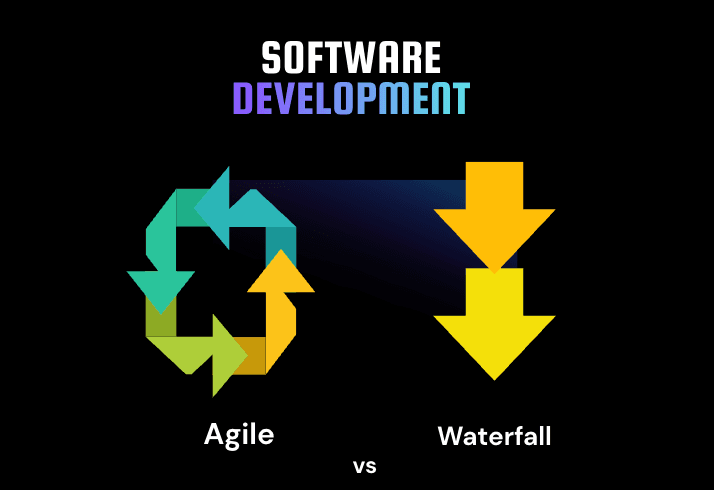
Deciding between SaaS and custom software should be based on your business's unique needs, budget, and long-term strategy. For further insights into software methodologies, you might find the article on Agile Vs Waterfall In Software Development Key Differences Explained helpful.
How Dev House Australia Supports SaaS and Custom Software Decisions
Dev House Australia supports Australian businesses that need to assess whether an existing SaaS platform is sufficient or whether tailored software is justified by more complex requirements. This can include reviewing current workflows, integration needs, data requirements, user roles, scalability expectations, vendor dependencies, and long-term technology priorities. The aim is to identify where standard software can meet business needs and where more specialised functionality may deliver greater operational value.
For organisations that decide tailored software is the better fit, Dev House Australia can also support requirements planning, software architecture, system integration, cloud infrastructure, data management, testing, deployment, and ongoing maintenance. Businesses can also take a hybrid approach by retaining SaaS for standard functions while developing specialised applications or integrations around workflows that require greater flexibility, control, or differentiation.
Conclusion
Choosing between SaaS and custom software depends on how closely standard platforms match the organisation’s workflows, integrations, data needs, budget, timeline, and long-term strategy. SaaS can be a practical choice when requirements are common and rapid implementation is important, while tailored software may be more appropriate when specialised processes, proprietary logic, or deeper system integration are central to the business.
Australian businesses should evaluate total cost of ownership, vendor dependency, scalability, maintenance responsibilities, data control, and future flexibility rather than basing the decision only on initial cost or implementation speed. In some cases, combining SaaS with tailored software or integrations can provide a practical balance between speed, cost, and operational fit.