Key Takeaways
-
Understand Cost Drivers
Recognise the key factors that affect SaaS development costs, such as complexity and integrations.
-
Explore Pricing Models
Familiarise yourself with different pricing structures to find the best fit for your project.
-
Budget for Ongoing Costs
Plan for post-launch expenses to ensure sustainable product development.
-
Compare Proposals Effectively
Use clear criteria to evaluate development proposals beyond just cost.
Understanding the SaaS development cost is crucial for Australian founders, owners, CTOs, product leads, and operations leaders. As businesses increasingly turn to Software as a Service (SaaS) solutions, comprehending what drives the cost of building a SaaS product becomes essential. The pricing structure can vary widely based on numerous factors, making it vital for decision-makers to budget realistically and effectively.
Several elements influence the total cost of SaaS development, including product complexity, user roles, and required integrations. Additionally, the architecture chosen, whether single-tenant or multi-tenant, can significantly impact expenses. Understanding these variables helps businesses make informed decisions when comparing development options and proposals.
This guide will explore the various pricing models used in SaaS development, such as fixed-scope projects, time-and-materials arrangements, and dedicated development capacity. We'll also cover the implications of developing a Minimum Viable Product (MVP) and how it can help reduce initial costs while validating core product assumptions. By the end, you'll have a clearer understanding of what to expect regarding SaaS development costs in Australia and how to prepare for a realistic estimate.
Factors Influencing SaaS Development Costs
Understanding the cost of developing a Software as a Service (SaaS) product is essential for Australian business leaders. Several factors influence the overall SaaS development cost, making it crucial to grasp how pricing is structured and what is typically included in development proposals.
One primary driver of cost is product complexity. A simple application with limited functionality will generally cost less to develop than a feature-rich platform. Consider the following aspects that can significantly impact your budget:
- Number of User Roles: More user roles often require additional features and permissions, increasing development time and cost.
- Architecture Type: Choosing between single-tenant and multi-tenant architectures can affect both initial and ongoing costs. Multi-tenant systems can reduce costs over time but may require more upfront planning.
- Integrations: Incorporating third-party APIs or services, such as payment gateways or CRM systems, can add to the complexity and cost of development.
- Security Requirements: Ensuring data protection and compliance with Australian Privacy Principles (APPs) necessitates investment in robust security measures, which can increase costs.
- Testing and Quality Assurance: Comprehensive testing, including functional, integration, and performance testing, is essential for a reliable product and can add to the overall cost.
To budget effectively, consider starting with an MVP (Minimum Viable Product). This approach allows you to focus on the core features needed to validate your concept while managing initial costs. However, even an MVP requires careful planning around security, architecture, and user experience.
For further insights into planning your SaaS architecture, you might explore our Cloud Development services.
Understanding SaaS Pricing Models
Understanding the cost of building a SaaS product involves several factors that can significantly influence the overall budget. Here’s a breakdown of the primary elements that contribute to SaaS development costs in Australia.
1. Pricing Models
SaaS development can be structured in various ways, including:
- Fixed-scope projects: A set price for a defined set of features.
- Time-and-materials: Costs based on the actual time and resources used.
- Dedicated development capacity: Ongoing access to a team for continuous development.
- Phased MVP delivery: Developing a minimum viable product first, then iterating based on feedback.
- Ongoing product-development arrangements: Long-term partnerships for continuous improvements.
2. Cost Influencers
Several factors can drive the cost of SaaS development:
- Product complexity: More features and integrations increase development time.
- User roles: Different functionalities for various user types can complicate the architecture.
- Architecture: Choosing between single-tenant and multi-tenant setups affects scalability and maintenance costs.
- Security requirements: Implementing robust security measures adds to the budget.
- Integrations: Connecting with third-party services can require additional resources.
3. MVP Considerations
Creating an MVP can help minimise initial costs by focusing on essential features. However, ensure that security, architecture, and user experience are still prioritised to validate your product assumptions effectively.
4. Preparing for Estimates
Before seeking quotes, document your user types, workflows, must-have features, and integrations. This preparation helps developers provide a more accurate estimate, ensuring that you get the best value for your investment.
For insights on automating your business processes, check out our guide on Business Process Automation.
Key Components of a SaaS Development Budget
Understanding the cost of developing a Software as a Service (SaaS) product in Australia involves several key factors that influence the overall budget. The complexity of the product, the number of user roles, and the required features all contribute to the final price. Here’s a breakdown of the main components that drive SaaS development costs.
Product Complexity: The more complex your SaaS product, the higher the cost. Features like multi-tenancy (supporting multiple users or clients on a single instance) versus single-tenancy (each client has their own instance) can significantly affect development time and resources.
User Roles: The number of user roles you need to support also impacts costs. Each role may require different functionality, which can increase the scope of development.
Architecture: The choice between a simple architecture and a more sophisticated one can lead to substantial differences in cost. Multi-tenant architectures are generally more complex and expensive to build and maintain.
Integrations: If your SaaS product needs to connect with third-party services (like payment processors or CRM systems), this can add to the development costs. Each integration requires additional time for planning, implementation, and testing.
Security Requirements: Given the importance of data security, implementing robust security measures can increase costs. This includes authentication, encryption, and secure API design.
Testing: Comprehensive testing is essential to ensure functionality and security. Costs can rise with the need for various types of testing, including functional, integration, and performance testing.
Post-Launch Support: After launching your product, ongoing costs such as bug fixes, feature updates, and user support need to be factored into your budget.
By understanding these components, businesses can better prepare for a realistic SaaS development budget, ensuring they account for both initial and ongoing costs.
Comparing SaaS Development Proposals
When considering the cost of SaaS development in Australia, several factors come into play that can significantly influence the final price. Understanding these drivers is essential for founders, CTOs, and product leads to budget effectively and make informed decisions.
Product Complexity: The more complex your product, the higher the cost. Features such as user roles, single-tenant versus multi-tenant architecture, and billing workflows can add to the engineering effort required.
Integrations: If your SaaS product needs to connect with third-party services like payment platforms, CRMs, or analytics tools, these integrations can increase both initial development costs and ongoing maintenance expenses.
User Experience (UX) and User Interface (UI): A well-designed UX/UI is crucial for user satisfaction. Costs can escalate based on the complexity of dashboards, onboarding processes, and responsive design requirements.
Architecture Decisions: Choosing the right architecture impacts scalability and maintainability. Multi-tenancy can reduce costs but may require more sophisticated security measures.
Testing and Quality Assurance: Comprehensive testing is vital to ensure a smooth launch. Costs here can vary based on the types of testing required, such as functional, performance, and security testing.
Post-Launch Support: After launch, ongoing costs will include bug fixes, feature updates, and infrastructure management. These should be factored into the total cost of ownership.
MVP Approach: Developing a Minimum Viable Product (MVP) can help reduce initial costs by focusing on essential features. However, even an MVP requires careful planning around security, architecture, and user experience.
When comparing development proposals, it’s important to evaluate not just the price but also the clarity of the scope, architecture, and testing processes involved. For more insights on how to effectively plan your SaaS product, consider reviewing our guide on A Complete Guide To Software Development In Australia.
Ongoing Costs After Launching a SaaS Product
Understanding the ongoing costs after launching a SaaS product is crucial for Australian business owners and product leads. While the initial development cost is a significant factor, the total cost of ownership often extends well beyond the launch phase. Here are some key aspects to consider:
Post-launch Support: After your product goes live, you'll need to allocate funds for ongoing support. This includes addressing bugs, monitoring performance, and implementing security patches. Regular updates and feature enhancements based on user feedback are also essential to keep your product competitive.
Cloud Infrastructure: Hosting costs can vary significantly based on your usage. Factors such as data storage, bandwidth, and the number of users will influence your monthly expenses. As your user base grows, you may need to scale your infrastructure, which can lead to increased costs.
Security Measures: Protecting user data is paramount. Regular security audits, compliance with Australian Privacy Principles, and implementing features like encryption and secure authentication can incur additional costs but are necessary for maintaining user trust.
Testing and Quality Assurance: Continuous testing is vital to ensure your product remains functional and secure. Budgeting for ongoing testing, such as functional, integration, and performance testing, will help you catch issues before they affect users.
Integration Costs: If your SaaS product connects with other systems (like payment gateways or CRMs), you may face ongoing costs related to these integrations. Keeping these connections functional and up-to-date can require additional resources.
User Experience Enhancements: As user expectations evolve, investing in UX/UI improvements can drive user engagement and retention. This could include redesigning interfaces or adding new features based on user feedback.
By understanding these ongoing costs, you can better prepare for the financial commitment required to maintain and grow your SaaS product. For a more detailed look at how to manage your SaaS data as user numbers increase, check out our insights on managing SaaS data as user numbers increase.
Preparing for a SaaS Development Estimate
Understanding the cost of building a Software as a Service (SaaS) product is crucial for Australian businesses. The total cost can vary significantly based on several factors, and it's essential to grasp what influences these costs to budget effectively.
One of the primary drivers of SaaS development cost is product complexity. More complex products require more engineering effort. For instance, if your SaaS solution needs to accommodate multiple user roles or integrate with various third-party services, expect higher costs. Similarly, the choice between single-tenant and multi-tenant architecture can impact expenses. Multi-tenant systems, while often more cost-effective in terms of infrastructure, may require more sophisticated development to ensure data isolation and security.
Another key consideration is the scope of your project. A well-defined scope can help control costs. This includes understanding user workflows, must-have features, and integrations. For businesses looking to validate their product ideas quickly, developing a Minimum Viable Product (MVP) can reduce initial costs by focusing on essential features. However, even an MVP must adhere to security standards and provide a satisfactory user experience.
When comparing development options, consider the different pricing models available. Fixed-scope projects provide a clear budget, while time-and-materials arrangements can lead to fluctuating costs based on actual hours worked. Dedicated development capacity may be suitable for ongoing projects, and phased delivery can help manage cash flow by spreading costs over time.
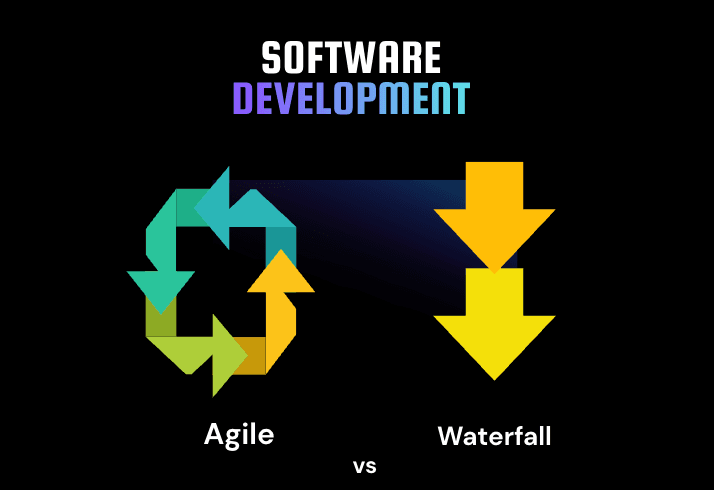
For a deeper dive into project management methodologies, you can refer to the article on Agile Vs Waterfall In Software Development Key Differences Explained. Understanding these nuances will empower you to make informed decisions regarding your SaaS product's development.
How Dev House Australia Supports SaaS Product Development
Dev House Australia supports Australian businesses in planning SaaS products around clear user requirements, realistic scope, and long-term technical needs. This can include product discovery, MVP planning, SaaS architecture, UX and UI design, cloud infrastructure, API integration, subscription workflows, data management, and testing. By defining these requirements early, businesses can better understand which features and technical decisions are likely to have the greatest impact on development effort and overall budget.
For organisations moving from planning into development, Dev House Australia can also support phased delivery, functional testing, integration testing, performance testing, deployment planning, monitoring, and ongoing product maintenance. This approach helps businesses manage SaaS development costs by prioritising essential functionality first while accounting for future scalability, integrations, infrastructure, security, and post-launch improvements.
Conclusion
SaaS development cost in Australia depends on much more than the number of features included in a product. Architecture, user roles, integrations, subscription workflows, security requirements, UX complexity, testing, infrastructure, and expected scalability can all influence the overall level of engineering effort required.
Before comparing SaaS development pricing, businesses should define their users, workflows, must-have functionality, integrations, data requirements, expected scale, and post-launch needs. A clearly documented scope makes development proposals easier to compare and helps decision-makers evaluate long-term value rather than focusing only on the initial build price.