Key Takeaways
-
Understanding SaaS
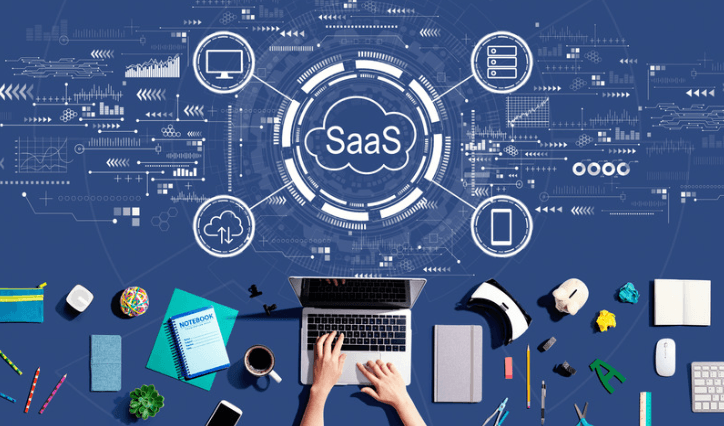
SaaS stands for Software as a Service, providing users with access to applications via the internet.
-
Key Differences
SaaS differs from traditional software by being hosted in the cloud and accessible through web browsers.
-
Development Stages
SaaS development involves stages like planning, building, testing, and maintaining the software.
-
Architecture Matters
SaaS architecture must consider scalability, security, and user management to be effective.
SaaS development in Australia is becoming increasingly vital for businesses looking to innovate and streamline their operations. Software as a Service (SaaS) provides a cloud-based solution that allows users to access applications via the internet, eliminating the need for traditional software installations on local devices. This model offers significant advantages, such as subscription-based pricing, automatic updates, and easy scalability, making it an attractive option for Australian founders, owners, CTOs, and product leads.
Understanding the intricacies of SaaS development is essential for any organisation considering this approach. From planning and building to launching and maintaining a SaaS platform, there are several key stages and considerations involved. This guide will explore what SaaS is, how it differs from traditional software, and the various architectural and operational factors that contribute to a successful SaaS product. By grasping these elements, businesses can make informed decisions about whether to pursue a SaaS model and how to effectively implement it in their operations.
Understanding SaaS Development
SaaS, or Software as a Service, is a software delivery model where applications are hosted in the cloud and accessed via the internet, rather than being installed on local machines. This model allows users to subscribe to software services, paying a recurring fee for usage. SaaS products are designed to be user-friendly, enabling easy access through web browsers, which eliminates the need for complex installations and updates on individual devices.
Key characteristics of SaaS products include:
- Subscription Access: Users pay a regular fee, typically monthly or annually, which provides access to the software.
- Browser-Based Delivery: Users can access the service from any device with an internet connection, making it highly flexible.
- Centralised Updates: Software updates and maintenance are managed by the provider, ensuring all users benefit from the latest features and security enhancements.
- Multiple Users or Organisations: SaaS can support multiple users, often allowing different organisations to share the same infrastructure while keeping their data isolated.
- Recurring Billing: This model simplifies revenue management for businesses and helps maintain a steady cash flow.
- Continuous Product Improvement: Providers can roll out updates and new features quickly, responding to user feedback and market demands.
Understanding these fundamentals is crucial for Australian business owners and product leads considering a SaaS development project. The planning phase involves identifying target users, defining core workflows, and establishing user roles and permissions. It's essential to consider the architecture of the product, deciding between single-tenant and multi-tenant setups, which can significantly affect scalability and maintenance. For more details on how to build subscription software around recurring user workflows, you can check out our Cloud Development services.
Key Differences Between SaaS and Traditional Software
SaaS, or Software as a Service, represents a significant shift from traditional software models. Unlike conventional software that requires installation on individual devices, SaaS products are hosted in the cloud and accessed via a web browser. This means users can access the software from any device with an internet connection, making it incredibly flexible and convenient.
One of the key characteristics of SaaS is its subscription-based model. Users pay a recurring fee, which can vary based on usage levels or features. This model not only provides predictable revenue for businesses but also allows users to scale their usage as needed without significant upfront costs. Additionally, SaaS platforms typically offer centralised updates, ensuring that all users have access to the latest features and security patches without needing to manage installations individually.
When considering SaaS development in Australia, it's essential to understand the differences between single-tenant and multi-tenant architectures. In a single-tenant setup, each customer has their own instance of the software, providing greater isolation and customisation options. This can be beneficial for businesses with specific regulatory requirements or those needing extensive custom features. However, it may lead to higher costs and maintenance efforts.
In contrast, multi-tenant architecture allows multiple customers to share the same instance of the software, which can significantly reduce infrastructure costs and simplify updates. This model is often more scalable, making it suitable for businesses expecting rapid growth. However, it requires careful planning around tenant isolation and data security to ensure that customer data remains separate and secure.
For a deeper understanding of how SaaS can streamline operations, consider exploring options for business process automation. This can help you identify the best practices for implementing a SaaS solution that meets your organisational needs.
Stages of SaaS Development
SaaS, or Software as a Service, refers to a cloud-based software delivery model where applications are hosted remotely and accessed via the internet. Unlike traditional software that is installed on local machines, SaaS products are typically accessed through a web browser, allowing users to work from any device with internet connectivity. This model offers several advantages, including centralised updates, subscription-based pricing, and the ability to serve multiple users or organisations simultaneously.
When developing a SaaS product, understanding the architecture is crucial. There are two primary types: single-tenant and multi-tenant architectures.
- Single-tenant architecture means each customer has their own instance of the software and database. This can enhance security and customisation but may lead to higher costs and maintenance efforts as each instance requires individual updates and support.
- Multi-tenant architecture, on the other hand, allows multiple customers to share the same software instance and database, which can reduce costs and simplify maintenance. However, it may pose challenges in terms of data isolation and customisation options.
Before embarking on SaaS development, it's essential to conduct thorough product discovery and requirements planning. This involves identifying target users, defining core workflows, and considering user roles and permissions. Additionally, planning for onboarding processes, subscription plans, and administrative functions is vital for a smooth user experience.
For businesses considering SaaS development in Australia, it’s important to assess the operational requirements, integration needs, and long-term maintenance expectations. This holistic approach ensures that the SaaS product not only meets current needs but is also scalable and adaptable for future growth. For more on data handling in SaaS, check out our guide on Data Management.
SaaS Architecture Considerations
SaaS, or Software as a Service, represents a significant shift from traditional software delivery models. Unlike installed software that resides on individual devices, SaaS products are hosted in the cloud and accessed via a web browser. This model allows users to subscribe to software on a recurring basis, which can be more cost-effective and flexible for businesses.
Key characteristics of SaaS include:
- Subscription Access: Users pay a recurring fee, which can vary based on usage, features, or number of users.
- Browser-Based Delivery: Software is accessible from any device with internet connectivity, eliminating the need for local installations.
- Centralised Updates: Service providers manage updates and maintenance, ensuring all users have access to the latest features and security patches.
- Multiple Users or Organisations: SaaS platforms typically support multiple tenants, allowing different organisations to use the same application while keeping their data separate.
When planning a SaaS product, founders must consider the architecture. Two primary types are single-tenant and multi-tenant architectures.
- Single-Tenant Architecture: Each customer has their own instance of the software, which can enhance security and customisation but may limit scalability and increase maintenance costs.
- Multi-Tenant Architecture: A single instance serves multiple customers, providing cost efficiencies and easier updates but requiring robust security measures to ensure data isolation.
Understanding these architectural choices is crucial for scalability and long-term maintenance. As businesses grow, they must ensure their SaaS infrastructure can handle increased user demand without compromising performance or security. Exploring options like integrating ERP, CRM, and payment systems can also enhance functionality and streamline operations.
User Management in SaaS Products
User management is a critical aspect of SaaS products, influencing user experience, security, and operational efficiency. In a SaaS environment, user management encompasses several key functions, including authentication, authorisation, and account provisioning. Understanding these elements is essential for Australian founders and product leads who are building subscription-based software platforms.
Authentication is the process of verifying a user's identity, typically through login credentials such as a username and password. Implementing robust authentication methods, including multi-factor authentication, helps enhance security and protect sensitive data.
Authorisation follows authentication and determines what actions a user is permitted to perform within the application. Role-based permissions are commonly used to assign different access levels to users based on their roles within an organisation. This ensures that sensitive information is only accessible to those who need it, mitigating the risk of data breaches.
Account provisioning involves creating and managing user accounts, including onboarding new users and handling password recovery. An efficient onboarding process is crucial for user retention, as it sets the tone for the overall user experience. Additionally, managing subscriptions, such as upgrades and downgrades, requires a seamless integration with billing systems to ensure accurate recurring payments.
For businesses considering SaaS development in Australia, it's vital to plan for user and account management from the outset. This includes defining user roles, setting up workflows, and considering future product requirements. By prioritising these elements, SaaS products can provide a secure and user-friendly experience that meets the needs of diverse user groups.
For more insights on planning SaaS architecture, check out our guide on building subscription software around recurring user workflows.
Subscription and Billing Models in SaaS
Understanding the subscription and billing models in SaaS is crucial for Australian businesses looking to adopt this software delivery method. SaaS, or Software as a Service, allows users to access applications via the internet rather than installing software on their devices. This model offers several advantages, including ease of access, automatic updates, and the ability to scale according to user needs.
When it comes to subscription models, businesses typically offer various plans that cater to different user requirements. Common subscription structures include:
- Monthly or annual billing: Users can choose between paying monthly for flexibility or annually for cost savings.
- Tiered pricing: Different plans offer varying features and user limits, allowing customers to select a plan that best fits their needs.
- Freemium models: Basic features are provided for free, with advanced functionalities available through paid subscriptions.
Billing processes must be seamless to enhance user experience. This includes managing upgrades and downgrades, trial periods, and recurring payments. Implementing automated billing systems can help handle failed payments, account statuses, and integration with external payment platforms efficiently.
For businesses considering SaaS development in Australia, it's essential to evaluate the implications of single-tenant versus multi-tenant architecture. A single-tenant model provides dedicated resources for each customer, ensuring better performance and data isolation. In contrast, a multi-tenant approach shares resources among multiple customers, which can lead to cost savings and easier maintenance but may pose challenges in data security and performance.
As you explore SaaS development, consider building subscription software around recurring user workflows to ensure a smooth user experience. Understanding these models will help your business make informed decisions and create a successful SaaS product. For further insights, check out how Adelaide builders improve workforce productivity with software.
How Dev House Australia Supports SaaS Development
Dev House Australia supports Australian businesses that need to turn a SaaS concept into a practical, scalable software product. This can include product discovery, requirements planning, SaaS architecture, user and account management, subscription workflows, API integration, cloud infrastructure, data management, and connections with payment, CRM, ERP, analytics, and other business systems. The focus is on designing the product around real user workflows while considering scalability, maintainability, security, and future growth from the beginning.
For businesses moving from planning into development and launch, Dev House Australia can also support functional testing, integration testing, performance testing, deployment planning, monitoring, backups, release management, and ongoing maintenance. This helps organisations build SaaS platforms that can adapt as user numbers, workloads, integrations, subscription models, and product requirements evolve over time.
Conclusion
SaaS development in Australia requires more than building a browser-based application. Businesses need to consider product requirements, tenant architecture, user permissions, billing workflows, data management, integrations, cloud infrastructure, security, testing, and ongoing operations before launching a subscription software product.
The right technical approach depends on the product’s users, growth expectations, integrations, commercial model, and long-term maintenance needs. By planning these areas early and validating critical workflows before release, Australian businesses can create a stronger foundation for a SaaS product that remains maintainable, scalable, and adaptable as customer needs change.