Key Takeaways
-
Start with the problem
Identify the core business problem before jumping to solutions.
-
Engage users early
Validate user needs and workflows to ensure the product meets expectations.
-
Document assumptions
Keep track of assumptions and unknowns to guide future decisions.
-
Prioritise requirements
Distinguish between essential and desirable features to focus development efforts.
Australian founders, business owners, CTOs, product leads, and operations leaders need to understand the significance of product discovery before diving into software development. Early validation and planning are crucial steps that can significantly reduce uncertainty and risks associated with launching new digital products, whether they are web applications, mobile apps, or internal platforms. By thoroughly assessing the business problem, target users, workflows, and technical feasibility, teams can make informed decisions that guide their development efforts.
The process of validating assumptions, defining requirements, and prioritising features should take precedence over creating extensive feature lists. This approach ensures that the final product aligns with user needs and business objectives. Moreover, addressing potential risks, integration challenges, and technical constraints early on can help shape a realistic project scope, ultimately leading to a smoother development process and better outcomes. By focusing on these initial steps, organisations can lay a solid foundation for their software initiatives and avoid common pitfalls that arise from inadequate planning.
Product discovery: Start With the Problem Before Planning Features
Start with the Problem Before Planning Features
Before diving into software development, it's crucial to define the problem you're trying to solve. This initial step lays the groundwork for everything that follows, ensuring that your team is aligned and focused on addressing real user needs. The goal is not to jump straight into feature lists but to validate the business problem and understand the target users.
Engaging with potential users through interviews, surveys, and workflow analysis helps uncover pain points and existing alternatives. This user research is essential for validating assumptions and ensuring that your solution addresses genuine needs. If your team skips this step, you risk building a product that doesn't resonate with users or solve their problems effectively.
Once you've validated the problem, it's time to define the requirements. This includes business, user, and technical requirements, as well as identifying user roles and workflows. Prioritising these requirements is also critical; distinguishing between essential features for launch and desirable enhancements for later can help streamline your development process.
Early stakeholder alignment is another key aspect. Disagreements around goals, priorities, or expected outcomes should be resolved before development begins. This alignment ensures that everyone is on the same page, reducing the risk of miscommunication and wasted resources.
By investing time in this early phase of discovery, you not only clarify the scope of your project but also set realistic expectations for delivery timelines and resource allocation. This approach ultimately leads to a more efficient development process, allowing your team to focus on what truly matters: delivering value to your users. For further insights on how to streamline your workflows, consider exploring our AI Automation services.
Validate Users and Workflows Early
Validating users and workflows early in the software development process is crucial for reducing uncertainty and ensuring that resources are allocated effectively. Before diving into development, it’s essential to understand the business problem, target users, and the workflows that your product will support. This early validation phase allows you to test assumptions and refine your understanding of user needs, which can significantly shape the direction of your project.
Start by defining the core problem your product aims to solve. This involves engaging with potential users and stakeholders to gather insights through interviews, surveys, and workflow analysis. Understanding pain points and existing alternatives helps clarify the value your solution will provide. It’s important to document these findings, as they will serve as a foundation for your requirements and scope.
Once you have a clear problem statement, you can begin validating user assumptions. This step involves identifying who your users are and what their needs entail. By engaging with them directly, you can ensure that your product aligns with their expectations and requirements. This user validation process not only helps in defining essential features but also aids in prioritising what to build first.
Moreover, addressing stakeholder alignment early on is vital. Disagreements about goals, priorities, or expected outcomes can derail a project if not resolved promptly. Establishing a shared understanding among all parties involved will facilitate smoother decision-making throughout the development process.
In summary, early validation of users and workflows sets the stage for a more focused and effective development phase, ultimately leading to a product that meets real user needs and business objectives.
Turn Early Findings Into a Practical Scope
Start with the Problem Before Planning Features
Before diving into the features of a new software product, it’s crucial to clearly define the business problem you aim to solve. This foundational step ensures that the development process is aligned with real user needs and market demands. Without a well-articulated problem statement, teams often risk creating solutions that don’t address the core issues, leading to wasted resources and missed opportunities.
Identifying the problem involves engaging with potential users and stakeholders to gather insights. Conducting interviews, surveys, and workflow analyses can uncover pain points and existing alternatives that users currently navigate. This user research is vital for validating assumptions about the problem and understanding the context in which the software will operate.
Once the problem is defined, it’s essential to articulate the intended users. Who will benefit from the solution? What are their needs and expectations? Understanding your target audience helps in tailoring the product to meet their specific requirements. This step is not just about demographics; it involves delving into user behaviours, preferences, and workflows that inform how the software should function.
By starting with a clear problem definition and a deep understanding of user needs, teams can avoid the common pitfall of jumping straight to feature lists. Instead, they can focus on creating a solution that genuinely addresses the challenges users face, setting the stage for a successful development process. This early clarity supports later stages of the project, including requirements gathering, prioritisation, and risk assessment, ultimately leading to a more effective and efficient development cycle.
Test Technical Feasibility Before Building
Before committing resources to software development, it's essential to assess technical feasibility. This process involves evaluating whether the proposed solution can be built with the available technology and within the constraints of your organisation. Early validation helps reduce uncertainty and guides decision-making.
Start by defining the core business problem and identifying the intended users. Understanding their needs and pain points is crucial for shaping the solution. Conduct user research through interviews or surveys to gather insights. This information will inform your assumptions about workflows and requirements.
Next, assess the technical aspects. Consider the architecture, technology stack, and any existing systems that may need integration. For instance, if you're developing a web application, evaluate the required APIs and how they will interact with your current infrastructure. This assessment can highlight potential challenges, such as performance issues or security risks, that could impact the project.
It's also important to document any assumptions and unknowns. This transparency will help your team identify areas that require further validation. By addressing these issues early, you can avoid costly changes later in the development process.
Finally, create a clear estimation of the project scope based on your findings. This should include a prioritised list of requirements, potential risks, and a delivery roadmap. By testing technical feasibility before building, you ensure that your development efforts are aligned with business objectives and user needs, ultimately leading to a more successful outcome. For more insights on aligning business workflows with product requirements, check out how Adelaide builders improve workforce productivity with software.
What Should Be Clear Before Development Begins?
Before embarking on a software development project, clarity on several key aspects can significantly reduce uncertainty and enhance the likelihood of success. Early validation is crucial for understanding the business problem, identifying target users, and assessing workflows. This groundwork allows teams to define requirements and scope effectively, ensuring that development aligns with actual user needs rather than assumptions.
Start by defining the core business problem. This involves engaging with stakeholders to gather insights and perspectives. Conducting user research through interviews and surveys helps identify pain points and existing alternatives, ensuring that the solution addresses real needs. This step is vital as it lays the foundation for all subsequent planning.
Next, validate the workflows that will be impacted by the new software. Understanding how users currently navigate tasks can reveal gaps and opportunities for improvement. This analysis should inform the requirements definition, which encompasses business, user, and technical requirements. Clearly documenting these requirements helps in prioritising features, distinguishing between what is essential for the initial launch and what can be deferred for future iterations.
Technical feasibility must also be assessed early on. This includes evaluating existing systems, integrations, and any potential constraints that could affect the architecture and scalability of the product. By addressing these technical considerations upfront, teams can avoid costly changes later in the development process.
Finally, early planning should include risk analysis. Identifying potential risks, such as unclear scope or integration challenges, enables teams to develop mitigation strategies before they become critical issues. This proactive approach fosters a more efficient development process, ultimately leading to a product that meets both business objectives and user expectations. For more insights on software development planning, refer to A Complete Guide To Software Development In Australia.
Define Requirements to Reduce Uncertainty
Start with the Problem Before Planning Features
Before diving into software development, it's crucial to identify the core problem your product aims to solve. This initial step sets the foundation for all subsequent planning and decisions. A well-defined problem statement helps ensure that the entire team is aligned on the project's goals and direction.
Engaging with potential users early on is essential. Conduct interviews, surveys, or focus groups to gather insights about their pain points and needs. This user research will not only validate the existence of the problem but also provide valuable context for the features you may want to implement later. Understanding your target audience and their workflows allows you to tailor your solution effectively.
It's also important to document assumptions and existing alternatives. This helps in identifying gaps in the current market and understanding how your product can offer a better solution. By clarifying these aspects, you can avoid common pitfalls, such as jumping straight to feature lists without a clear understanding of the underlying problem.
Stakeholder alignment is another critical element. Disagreements about goals, priorities, or expected outcomes can derail a project if not addressed early. Establishing a common understanding among stakeholders will facilitate smoother decision-making throughout the development process.
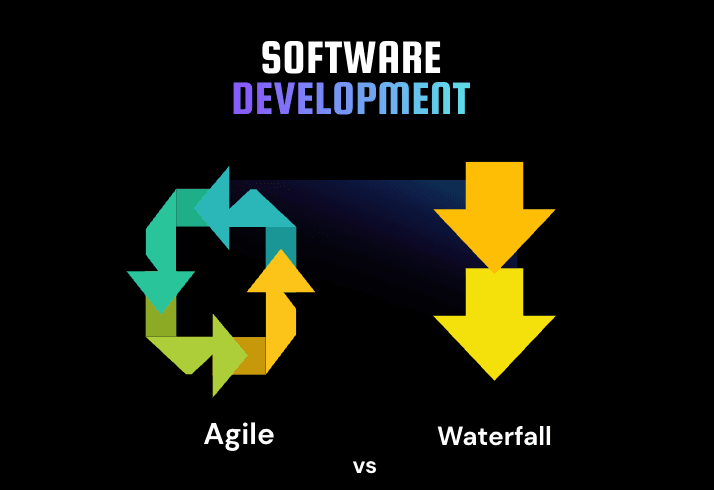
In summary, taking the time to define the problem and validate user needs lays the groundwork for a successful software project. This approach not only reduces uncertainty but also enhances the clarity of your project's scope and objectives, making it easier to plan features that truly resonate with users. For further insights on project management methodologies, consider exploring the differences between Agile and Waterfall approaches in software development.
How Dev House Australia Supports Product Discovery
Dev House Australia supports Australian businesses in validating software ideas before major development work begins. This can include clarifying the business problem, identifying target users, reviewing existing workflows, gathering requirements, defining priorities, and assessing technical feasibility. The process can also cover user research, stakeholder alignment, product scope, architecture considerations, integration requirements, data needs, security risks, and scalability expectations.
For projects involving new digital products, complex integrations, legacy systems, or uncertain requirements, Dev House Australia can also support prototyping, proof-of-concept planning, MVP definition, risk assessment, estimation, and delivery roadmaps. The goal is to reduce uncertainty early so that development decisions are based on clearer evidence, realistic technical constraints, and better-defined business and user requirements.
Conclusion
Product discovery gives businesses an opportunity to test assumptions before committing significant resources to development. By validating the problem, target users, workflows, requirements, technical feasibility, integrations, and risks early, teams can establish a clearer foundation for scope, architecture, estimation, and delivery planning.
For Australian businesses, effective discovery should lead to practical decisions rather than unnecessary documentation. The strongest outcome is a shared understanding of what problem is being solved, who the product is for, what should be built first, which risks need attention, and what technical and delivery steps should follow.