Key Takeaways
-
Start with a Clear Problem Definition
Identify the business problem your software aims to solve before jumping into feature development.
-
Validate Ideas Early
Conduct thorough market research and user testing to validate your product idea before investing heavily in development.
-
Gather Comprehensive Requirements
Ensure you collect detailed requirements from various stakeholders to guide the development process effectively.
-
Focus on User Experience
Incorporate UX/UI design principles early to create a product that is intuitive and meets user expectations.
Turning a business idea into a successful software product involves navigating a complex journey that requires careful planning and execution. For Australian founders, owners, CTOs, product leads, and operations leaders, understanding the nuances of software product development is crucial. This process encompasses several stages, including idea validation, product discovery, requirements gathering, design, development, testing, and ongoing improvement.
Before diving into development, it's essential to start with a clearly defined business problem, target user, and desired outcome. This foundational understanding sets the stage for validating the idea and ensuring that the product addresses a genuine need in the market. The journey from a mere concept to a fully functional software product is filled with decisions, risks, and trade-offs that can significantly impact the project's success.
In this guide, we will explore the various stages of software product development, providing insights into each phase and offering practical advice for navigating challenges along the way. By following a structured approach, you can increase the likelihood of delivering a product that not only meets user expectations but also aligns with your business goals.
Software product development: Start With the Problem, Not the Feature List
To successfully turn a business idea into a software product, it’s crucial to start with a clearly defined problem rather than jumping straight to features. This approach ensures that the development process is grounded in a real need, facilitating better alignment with user expectations and business objectives.
Begin by identifying the core problem your product aims to solve. This involves understanding the target users and their pain points. Conducting user interviews and surveys can provide valuable insights into their needs and workflows. It’s essential to clarify the desired outcomes and articulate why the product should exist. This foundational understanding will guide the subsequent stages of product development.
Next, engage in product discovery. This phase includes defining the problem in detail, identifying user personas, and clarifying business objectives. It’s also important to evaluate existing solutions in the market. Research competitors to identify gaps and differentiation opportunities. This analysis helps in setting realistic expectations and understanding user needs.
Once the problem and user needs are validated, you can begin to outline the product concept. This involves translating the identified needs into a product vision and defining the scope. Avoid starting with a feature list; instead, focus on the essential functionalities that address the core problem. This approach not only streamlines the development process but also minimises the risk of scope creep later on.
For further insights on automating processes and improving efficiency, explore our page on AI Automation.
Validate the Product Idea Before Building
Start with a clearly defined business problem. Before diving into software product development, it’s essential to articulate the specific issue your product aims to address. This clarity helps ensure that your efforts are directed toward a meaningful solution rather than just building features for the sake of it.
Next, identify your target users. Understanding who will benefit from your product is crucial for tailoring your solution to meet their needs. Conduct user research through interviews and surveys to gather insights about their pain points and expectations. This information will guide your product development process and help you create a solution that truly resonates with your audience.
Once you have a solid grasp of the problem and your users, move on to product discovery. This stage involves clarifying your business objectives, analysing existing workflows, and testing your assumptions about the market. Engage in competitor research to identify alternatives and gaps in the market. This will help you position your product effectively and highlight its unique value proposition.
It's important to differentiate between an idea, a product concept, and a validated product opportunity. An idea is simply a thought; a product concept is a more fleshed-out version that includes potential features and benefits. A validated product opportunity, however, is backed by evidence that there is a market demand for your solution. This validation process is critical before committing significant resources to development.
By following these steps, you can ensure that your software product development journey starts on a solid foundation, reducing risks and increasing the chances of success. For further insights on cloud solutions, check out our page on Cloud Development.

Ready to Transform Your Idea?
Contact us to learn how we can help you turn your business idea into a successful software product.
Define the Software Product Development Process
Start with the Problem, Not the Feature List
When embarking on the journey of software product development, it's crucial to start with a well-defined business problem rather than jumping straight into a list of features. This approach ensures that the product addresses a real need and resonates with its intended users.
Begin by clarifying the core issue your product aims to solve. Ask yourself: What specific problem are you addressing? Who are the target users, and what are their pain points? This foundational understanding will guide the entire development process and help avoid costly missteps later.
Next, validate your product idea through thorough research. Engage with potential users to gather insights about their needs and expectations. This can involve interviews, surveys, or observing existing workflows. Understanding your audience not only informs the product's direction but also helps in identifying any major risks or assumptions that need testing.
Once you've defined the problem and validated the idea, you can move into the product discovery phase. This stage includes defining business objectives, clarifying user roles, and understanding existing solutions in the market. Conducting competitor research will help you identify gaps in the market and opportunities for differentiation.
By focusing on the problem first, you set a strong foundation for the rest of the software product development process, ensuring that every feature and design decision is aligned with user needs and business goals. This approach reduces the risk of scope creep and helps maintain a clear focus on delivering value to users.
Gathering Requirements for Your Software Product
Start with a clearly defined business problem. Before diving into software product development, it's essential to understand the core issue your product aims to address. Identify your target users and clarify the desired outcomes. This foundational step ensures that your product is not just a collection of features but a solution that adds real value.
Next, differentiate between an idea, a product concept, and a validated opportunity. An idea is often vague and untested, while a product concept begins to take shape through research and user feedback. A validated opportunity confirms that there is a genuine market need for your product, supported by evidence from user research and market analysis.
Product discovery is a crucial phase where you define the problem, identify target users, and clarify business objectives. Conducting market and competitor research will help you understand existing solutions, user expectations, and gaps in the market. This research should include user interviews and workflow analysis to uncover pain points and validate whether your proposed product truly addresses a significant problem.
Once you have a solid understanding of the business problem and user needs, you can begin gathering requirements. This involves outlining user roles, workflows, business rules, and technical constraints. It's important to distinguish between business requirements (what the business needs), user requirements (what users need), and technical requirements (what developers need to build the product). Clear acceptance criteria should also be established to reduce ambiguity during development and testing.
For more insights on how to translate business requirements into a product scope, refer to our article on turning business requirements into an MVP scope.
Creating a Minimum Viable Product (MVP)
Start With the Problem, Not the Feature List
Before embarking on software product development, it’s crucial to start with a clearly defined business problem rather than jumping straight into a list of features. This foundational step ensures that the product you build addresses a genuine need in the market.
Begin by articulating the specific issue your software aims to solve. This involves engaging with potential users to understand their pain points and needs. Conducting user interviews and surveys can provide valuable insights into the challenges they face. This user research helps you validate whether your idea resonates with the target audience and whether it has the potential to offer real value.
Next, clarify the desired outcomes. What should the product achieve? Define the success criteria that will indicate whether the product meets its goals. This could include metrics like user satisfaction, task completion rates, or revenue targets.
Once you have a clear understanding of the problem and desired outcomes, you can move on to product discovery. This phase involves identifying your target users and their workflows, as well as testing assumptions about how your product will fit into their lives. Understanding existing solutions in the market also plays a vital role here; it allows you to identify gaps and opportunities for differentiation.
By focusing on the problem first, you set the stage for a more effective development process, ensuring that the features you ultimately decide to implement are directly aligned with user needs and business objectives. This approach not only reduces the risk of building unnecessary features but also enhances the overall value of the final product. For more insights on the software development process, check out A Complete Guide To Software Development In Australia.
Planning a software project in Australia?
Tell us what you want to build. We’ll help you shape the scope and the next step in a free consultation.
Designing for Users: UX/UI Considerations
Start With the Problem, Not the Feature List
When embarking on software product development, it is essential to begin with a clear understanding of the problem you aim to solve. A common pitfall is to jump straight into listing features without considering the underlying business challenge. This approach can lead to a product that fails to meet user needs or misses the mark on market expectations.
To effectively define the problem, consider the following steps:
Identify the Core Issue: What specific problem does your target audience face? This should be a well-defined issue that your software aims to address.
Understand Your Users: Conduct user research to gather insights on their pain points, workflows, and needs. This can involve interviews, surveys, or observational studies. Understanding your users will inform your product's direction and help validate your assumptions.
Clarify Business Objectives: Align your product goals with your overall business strategy. What outcomes do you expect from this software? This could include increasing efficiency, reducing costs, or enhancing customer satisfaction.
Test Your Assumptions: Before committing to development, validate your ideas through prototypes or minimum viable products (MVPs). This allows you to gather user feedback early and refine your concept based on real-world insights.
Identify Risks: Acknowledge potential risks associated with your product idea. This includes technical challenges, market competition, and user adoption hurdles.
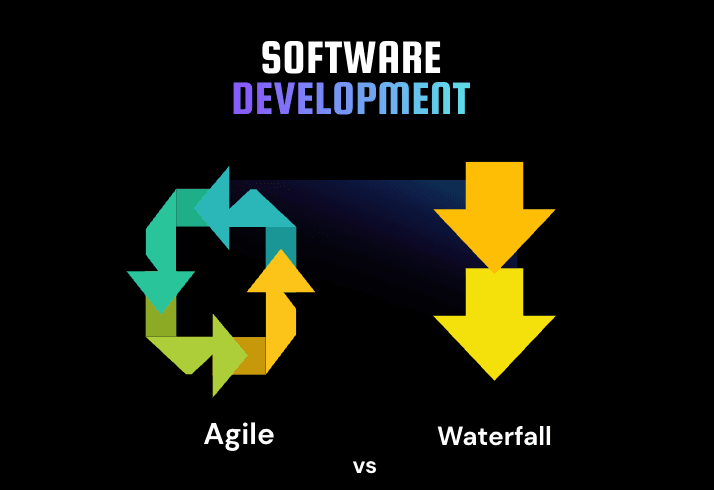
By focusing on the problem rather than a feature list, you create a solid foundation for your software product development journey. This clarity will guide your decisions throughout the entire process, from discovery to launch and beyond. For more insights on the development process, consider exploring the differences between Agile and Waterfall methodologies in our blog on Agile Vs Waterfall In Software Development Key Differences Explained.
How Dev House Australia Supports Software Product Development
Dev House Australia supports Australian businesses in turning validated ideas into structured software products by helping define the problem, clarify target users, gather requirements, prioritise features, and shape an achievable product scope. This can include product discovery, requirements analysis, user research, UX/UI planning, prototyping, MVP definition, architecture planning, integration assessment, and technical feasibility reviews before full development begins.
As the product moves into delivery, Dev House Australia can also support development, software testing, API and system integrations, cloud infrastructure, deployment planning, and ongoing product improvement. The approach can be adapted as new information emerges, allowing product teams to refine priorities, respond to user feedback, and develop new functionality without losing sight of the original business objectives.
Conclusion
Turning a business idea into a software product requires more than converting a feature list into code. The strongest product development process starts with validating the problem, understanding target users, defining requirements, prioritising essential functionality, and testing assumptions before significant development effort is committed.
For Australian businesses, a structured approach across product discovery, UX/UI, technical planning, development, testing, launch, and iteration can reduce unnecessary complexity and keep the product aligned with real user and business needs. After launch, feedback and product usage should continue to guide future improvements, features, and technical decisions.