Key Takeaways
-
Fixed Price Model
Best for projects with clear scope and stable requirements.
-
Time and Materials Model
Ideal for projects with evolving requirements or high uncertainty.
-
Importance of Requirement Quality
Quality requirements are crucial for both models to avoid rework and misunderstandings.
-
Governance Needs
Both models require strong governance to manage scope, budget, and quality.
When considering how to structure your software project, understanding the differences between fixed price vs time and materials engagement models is crucial. Both pricing structures offer distinct advantages and disadvantages, making it essential for Australian founders, owners, CTOs, product leads, and operations leaders to evaluate which approach aligns best with their project’s scope, uncertainty, budget, timeline, and delivery needs.
A fixed-price model typically involves a set budget for a well-defined scope of work, where the client pays a predetermined amount for specific deliverables. This model is often appealing for projects with clear requirements and limited uncertainty. On the other hand, the time and materials approach allows for greater flexibility, as clients pay for the actual effort expended and can adjust project priorities as needed. This model is particularly suited for projects with evolving requirements or complex integrations.
In this guide, we will explore the nuances of both models, helping you make an informed decision based on your project's specific characteristics. By comparing the two pricing structures, we aim to provide clarity on how each can impact your software development journey.
How Fixed-Price Software Projects Work
Fixed-price and time-and-materials are two common engagement models in software development, each with distinct characteristics that can significantly impact the success of a project. Understanding how these models work and where they fit best is crucial for Australian business owners and product leads.
In a fixed-price arrangement, the project scope, requirements, deliverables, and timeline are agreed upon upfront. This model is beneficial for smaller or well-defined projects with stable requirements, where the client has a clear vision of the desired outcome. However, it often requires extensive upfront discovery to define these elements accurately. Change requests can complicate matters, as any new requirements may affect the overall cost and timeline. Therefore, this model may not be ideal for projects with high uncertainty or evolving needs.
Conversely, time-and-materials engagements allow for greater flexibility. Clients pay for the actual effort expended, which means that as project needs evolve, the development team can adapt accordingly. This model is well-suited for complex projects with unclear requirements or those requiring iterative development, such as legacy system modernisation or research-heavy tasks. However, it demands strong governance, as clients must actively monitor budget and progress to avoid unexpected costs.
When comparing fixed price vs time and materials, it’s important to consider factors like scope certainty, budget predictability, and project complexity. A well-defined project may benefit from a fixed-price model, while a more fluid project may thrive under a time-and-materials structure. Ultimately, the choice between these models should align with the specific characteristics and constraints of the project. For further insights, you can explore our range of services tailored to meet diverse software delivery needs.
Where Time and Materials Provides More Flexibility
When considering fixed price vs time and materials for software development, understanding how each model operates is essential. Fixed price arrangements typically involve a detailed agreement on scope, requirements, deliverables, and timelines before the project begins. This model suits projects with clearly defined objectives and minimal expected changes. For instance, if you're developing a straightforward application with stable requirements, a fixed-price model can provide budget predictability and clarity.
However, fixed price comes with limitations. The need for comprehensive upfront planning can lead to reduced flexibility. If your project encounters unforeseen changes or complexities, managing these within a fixed price agreement can be challenging. Change requests often require formal processes, which can slow down progress and may lead to disputes over scope and costs. Therefore, while fixed price can offer certainty, it may not be ideal for projects where requirements are likely to evolve.
On the other hand, time and materials engagements allow for greater adaptability. Clients pay for the actual effort expended, which means that as project needs change, the development team can pivot accordingly. This model is particularly beneficial for complex projects or those involving significant uncertainty, such as legacy system modernisation or iterative product development. However, it requires diligent governance, including regular budget tracking and prioritisation of tasks, to avoid unexpected costs.
Ultimately, the choice between fixed price and time and materials should reflect your project's specific characteristics, including scope stability, budget constraints, and the need for flexibility. Engaging in a thorough discovery phase can also help clarify requirements and inform your decision on the most suitable engagement model. For more guidance on defining project scope before development begins, you can explore our IT Consultancy Advisory services.

Need Help Choosing a Pricing Model?
Our experts can guide you in selecting the right engagement model for your software project.
Comparing Cost Predictability and Scope Flexibility
When considering the engagement models for software projects, understanding the differences between fixed price and time-and-materials is crucial for Australian businesses. Each model has its strengths and weaknesses, and the choice largely depends on project characteristics and organisational needs.
Fixed price engagements are defined by a set scope, budget, and timeline agreed upon at the project's outset. This model suits smaller projects with clear requirements and limited uncertainty. The key elements include:
- Defined Scope: A comprehensive outline of features, functionalities, and deliverables.
- Agreed Timeline: A fixed schedule for project milestones and completion.
- Change Control: A structured process for managing any scope changes, which can be a limitation if business priorities shift.
While fixed price offers budget predictability, it can lack flexibility. If requirements evolve, the project may require additional negotiations and adjustments, potentially leading to delays or increased costs. This model is best for projects with stable requirements and well-understood deliverables.
In contrast, time-and-materials arrangements provide more flexibility. Clients pay for the actual effort and resources used, allowing for adjustments in scope and priorities as the project progresses. This model is advantageous for:
- Complex Projects: Where requirements may not be fully defined at the start.
- Iterative Development: Enabling teams to pivot based on feedback and changing market conditions.
However, this model can lead to less predictability in overall costs, necessitating strong governance and active stakeholder involvement to manage budgets and priorities effectively.
Ultimately, the decision between fixed price and time-and-materials should consider factors such as project complexity, uncertainty, and the need for flexibility. Understanding these nuances can help organisations choose the right model for their software development needs.
How Project Uncertainty Changes the Decision
When considering the choice between fixed price and time and materials pricing models, it's essential to understand how each works and the contexts in which they thrive.
A fixed price engagement typically involves a well-defined scope, where the client and the development team agree on the project deliverables, timeline, and cost upfront. This model is beneficial for smaller or well-defined projects with stable requirements, as it allows for predictable budgeting. However, it requires a comprehensive understanding of the project's needs before commencement. Any changes in scope can lead to complex change request processes, which may introduce delays and additional costs. It's crucial to establish clear acceptance criteria and change management rules to mitigate risks associated with evolving requirements.
On the other hand, the time and materials model offers greater flexibility, allowing clients to pay for the actual effort and capacity used over time. This approach is particularly suitable for complex projects or those with unclear requirements, as it permits adjustments to scope and priorities as the project unfolds. However, this flexibility can lead to less predictability in final costs, necessitating strong governance and regular budget tracking. Stakeholder involvement is critical to ensure that priorities are aligned and that the project remains on track.
In summary, the choice between fixed price vs time and materials should be influenced by project characteristics such as scope certainty, budget predictability, and the need for flexibility. Understanding these nuances will help you make an informed decision about which model best fits your software project. For further insights, consider reviewing our guide on software development in Australia.
What Happens When Requirements Change?
When managing a software project, understanding how to respond to changes in requirements is crucial, especially when comparing fixed-price and time-and-materials models. Each model approaches project flexibility differently, impacting how changes are handled.
In a fixed-price engagement, the project scope, deliverables, and timeline are established upfront. This means that any changes in requirements typically require a formal change request process. Clients must assess how new requirements affect the overall cost and timeline. If the project scope is rigid, this can lead to complications, as the development team may need to negotiate adjustments, which can slow down progress. Fixed-price arrangements work best for smaller projects with well-defined requirements and limited uncertainty, where stakeholders can agree on a clear scope and acceptance criteria from the outset.
Conversely, a time-and-materials model allows for greater flexibility. Clients pay for the actual effort or capacity used, enabling teams to adapt to evolving requirements or priorities throughout the project. This approach is particularly beneficial for complex software development, where initial requirements may be unclear, or where iterative development is necessary. It allows teams to pivot quickly based on feedback or changing market conditions. However, this model requires active governance, including regular budget tracking and prioritisation, to ensure that the project remains aligned with business objectives.
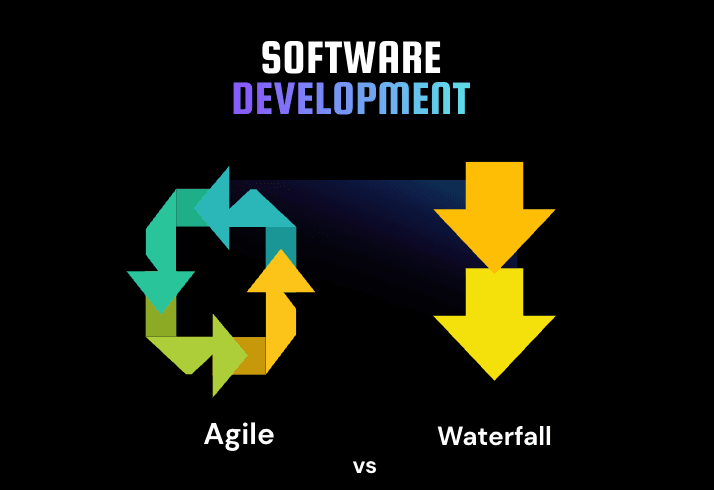
The choice between fixed price and time and materials depends on various factors, including project complexity, stakeholder availability, and the level of uncertainty involved. Understanding these dynamics is essential for making an informed decision that aligns with your project's needs. For further insights, consider exploring the differences between Agile and Waterfall methodologies in software development.
Planning a software project in Australia?
Tell us what you want to build. We’ll help you shape the scope and the next step in a free consultation.
Which Pricing Model Fits Your Software Project?
When considering the right pricing model for your software project, understanding the nuances of fixed price and time and materials is essential. Both models cater to different project needs and can significantly impact the project's success.
A fixed-price engagement is characterised by a predetermined cost based on clearly defined requirements, scope, and deliverables. This model works best for projects with well-established parameters, where the client can articulate their needs with minimal ambiguity. The advantages include budget predictability and a clear contractual obligation for deliverables. However, this model can lead to challenges if requirements change, as any alterations may necessitate a formal change request process, which can slow down progress and increase costs.
On the other hand, the time and materials model allows for greater flexibility. Clients pay for the actual effort and resources used, enabling adjustments to scope and priorities as the project evolves. This approach is particularly beneficial for complex projects with uncertain requirements or where innovation is needed. However, it introduces challenges around budget predictability and requires strong governance to manage spending effectively.
Both models have their limitations. Fixed-price arrangements can become rigid, potentially stifling responsiveness to changing business needs. Time and materials projects may lead to budget overruns if not closely monitored. Ultimately, the choice between fixed price and time and materials should be informed by factors such as project complexity, stakeholder availability, and the level of uncertainty in requirements.
For further insights on how to structure your software project, consider exploring our article on AI Software Development Australia.
How Dev House Australia Supports Software Project Planning
Dev House Australia supports Australian businesses in choosing a delivery approach that reflects the actual characteristics of their software project. This can include clarifying requirements, defining project scope, assessing technical complexity, identifying integrations and dependencies, reviewing legacy systems, and determining how much flexibility is likely to be needed during development. These factors can help businesses decide whether a fixed-price, time-and-materials, phased, or blended approach is more appropriate.
For projects with evolving requirements or technical uncertainty, Dev House Australia can also support discovery, estimation, backlog prioritisation, change management, architecture planning, testing, and delivery governance. The focus is on creating clear visibility around scope, assumptions, priorities, progress, and budget so that project decisions can be adjusted as more information becomes available.
Conclusion
Fixed price and time and materials both have a place in software development, but they suit different project conditions. A fixed-price model can provide stronger budget predictability when requirements and deliverables are clearly defined, while time and materials can provide greater flexibility when scope, priorities, or technical requirements are expected to change.
For Australian businesses, the right model should be selected based on scope stability, technical complexity, budget requirements, stakeholder availability, project uncertainty, and the need for ongoing flexibility. Clear requirements, transparent governance, realistic estimation, quality assurance, and effective change management remain important regardless of which commercial model is chosen.