Key Takeaways
-
Understand Regulatory Requirements
Familiarise yourself with the legal obligations surrounding fintech software development in Australia.
-
Prioritise Security
Implement robust security measures to protect sensitive financial data and maintain user trust.
-
Focus on Scalability
Design software architecture that can easily scale to accommodate growth in users and transactions.
-
Ensure Seamless Integrations
Plan for integrations with existing payment and business systems to enhance functionality.
Fintech software development is a critical area for Australian businesses looking to innovate and streamline their financial operations. As founders, owners, CTOs, product leads, and operations leaders embark on this journey, it is essential to understand the multifaceted considerations involved. From technical architecture to security measures, integration with existing systems, and the handling of sensitive financial data, every aspect plays a vital role in the success of a fintech platform.
In Australia, the fintech sector is growing rapidly, with increasing demand for solutions that enhance payment processing, financial reporting, and customer engagement. This guide will explore the key components necessary for developing robust fintech software tailored to the unique needs of Australian businesses. We will cover essential topics such as scalability, reliability, data management, testing, and ongoing maintenance, ensuring that your fintech solution not only meets current demands but also adapts to future challenges.
By delving into these considerations, Australian businesses can make informed decisions that align with their operational goals while effectively managing risks associated with financial software development. This comprehensive overview aims to equip you with the knowledge needed to navigate the complexities of fintech software development in Australia.
Understanding Fintech Software Development
Fintech software development involves a range of technical and operational considerations that are crucial for Australian businesses. When embarking on this journey, founders and product leads should assess several key areas to ensure a successful outcome.
Requirements and Architecture
Understanding the specific needs of users, customers, administrators, and internal teams, is essential. This includes defining transaction workflows, permissions, reporting, and reconciliation processes. The software architecture must prioritise reliability, availability, and scalability. A modular approach can enhance maintainability and resilience, allowing for easier updates and integration of new features.
Security and Data Handling
Security is paramount in fintech. Implementing robust authentication and authorisation mechanisms protects sensitive financial data. Encryption and audit logging are vital for maintaining transaction integrity and ensuring compliance with the Australian Privacy Principles. Regular monitoring and secure handling of data are also critical to prevent breaches.
Integrations
Integrating with existing systems such as payment gateways, accounting platforms, and CRMs is necessary for seamless operations. Businesses should consider the reliability of APIs, including aspects like authentication, versioning, and error handling. A well-planned integration strategy can significantly enhance the functionality of the fintech platform.
Testing and Deployment
Thorough testing is crucial before deploying any fintech application. This includes functional testing, integration testing, and performance testing to validate transaction workflows. Establishing a clear testing strategy helps identify potential issues early, ensuring a smoother launch.
Ongoing Maintenance and Support
Post-launch, ongoing maintenance is essential for performance optimisation and security updates. This includes managing software dependencies, monitoring system performance, and planning for disaster recovery. A proactive maintenance strategy can prevent downtime and enhance user satisfaction.
By considering these aspects, Australian businesses can develop fintech solutions that meet their operational needs while ensuring security and compliance. For more on how to scale transaction-heavy applications in the cloud, explore our Cloud Development services.
Key Requirements for Fintech Applications
When developing fintech applications, several key requirements must be considered to ensure the software meets both business needs and regulatory standards. Here are some critical areas to focus on:
Technical Architecture: The architecture of your fintech application should prioritise reliability, scalability, and maintainability. Use a modular design to facilitate updates and integrations. Consider cloud infrastructure to handle varying transaction volumes and user loads effectively.
Security Measures: Security is paramount in fintech software development. Implement robust authentication and authorisation protocols to protect sensitive financial data. Employ encryption for data at rest and in transit, and ensure regular audit logging for compliance purposes. Security should be integrated throughout the development lifecycle, from initial design to deployment and ongoing maintenance.
Data Handling: Financial applications must manage data accurately and securely. This includes transaction integrity, data consistency, and secure handling of sensitive information. Implement effective data pipelines to manage financial data efficiently, ensuring that data flows seamlessly between systems while maintaining compliance with the Australian Privacy Principles.
Integration Capabilities: Your fintech application will likely need to integrate with various external systems, such as payment gateways, accounting platforms, and CRM systems. Ensure that your software can communicate effectively with these systems through reliable APIs. Pay attention to API management, including authentication, versioning, and error handling.
Testing and Quality Assurance: Rigorous testing is essential to ensure the application performs as expected under various conditions. This includes functional testing, security testing, and performance testing. Validate transaction workflows thoroughly to prevent issues that could lead to financial discrepancies.
Ongoing Support and Maintenance: Post-launch, your application will require regular updates and monitoring. This includes addressing security patches, managing dependencies, and optimising performance. Establish a plan for incident response and disaster recovery to maintain business continuity.
By focusing on these areas, Australian businesses can develop fintech applications that are not only functional but also secure and compliant with local regulations. For further insights into managing financial data pipelines, consider exploring our Data Engineering capabilities.
Software Architecture Considerations
When developing fintech software, several architectural considerations are crucial for ensuring the system's reliability, scalability, and security. Here are some key aspects to keep in mind:
Reliability and Availability: Fintech applications must be reliable, with minimal downtime. This can be achieved through redundancy, load balancing, and failover strategies. Consider implementing a microservices architecture, which allows for individual components to fail without affecting the entire system.
Scalability: As user demand fluctuates, your software must scale efficiently. Cloud infrastructure provides the flexibility to handle increased transaction volumes and user loads. Evaluate your cloud provider's offerings to ensure they align with your expected growth.
Modularity: A modular architecture allows for easier updates and maintenance. By separating functionalities into distinct modules, teams can work on different parts of the application simultaneously, reducing development time and improving overall agility.
Data Handling: Financial data must be managed with utmost care. Ensure that your architecture supports secure data flows, including encryption for sensitive information. Implement strict access controls and audit logging to track data access and modifications.
Integration Capabilities: Fintech software often needs to integrate with various external systems, such as payment gateways, accounting platforms, and CRM systems. Design your APIs to be robust, with clear versioning and error handling to ensure seamless communication between systems.
Testing and Monitoring: Rigorous testing is essential to ensure that your application performs as expected under various scenarios. Implement automated testing for critical workflows, and establish monitoring systems to detect issues in real-time, allowing for quick response to any problems.
Maintenance and Support: Ongoing maintenance is vital for the longevity of your fintech application. Plan for regular updates, dependency management, and performance optimisation to keep your software running smoothly.
By carefully considering these architectural elements, Australian businesses can develop fintech software that meets their operational needs while ensuring compliance with local regulations and standards.
Security Measures in Fintech Development
When developing fintech software, security must be a primary focus throughout every stage of the process. Given the sensitive nature of financial data, implementing robust security measures is essential to protect against breaches and ensure compliance with regulations. Here are key security considerations for fintech software development:
Data Encryption: Encrypt sensitive data both in transit and at rest. This ensures that even if data is intercepted, it remains unreadable without the proper decryption keys. Use industry-standard encryption protocols such as AES-256.
Authentication and Authorisation: Implement strong authentication mechanisms, such as multi-factor authentication (MFA), to verify user identities. Ensure that authorisation protocols are in place to restrict access to sensitive information based on user roles.
Secure APIs: When integrating with payment gateways, accounting platforms, or other external services, ensure that APIs are secure. This includes using secure authentication methods, validating input data to prevent injection attacks, and monitoring API usage for unusual activity.
Regular Security Testing: Conduct regular security testing, including penetration testing and vulnerability assessments, to identify and address potential weaknesses in the system. This should be part of the development lifecycle, not just a final step before deployment.
Audit Logging: Maintain comprehensive logs of all transactions and access to sensitive data. This not only helps in monitoring for suspicious activities but also aids in compliance with regulatory requirements.
Incident Response Plan: Develop and maintain an incident response plan to address potential security breaches. This plan should outline steps for containment, eradication, recovery, and communication with stakeholders.
Compliance with Regulations: Be aware of and comply with relevant regulations such as the Australian Privacy Principles and other financial regulations. This ensures that your fintech application meets legal requirements and protects user data.
By prioritising these security measures in your fintech software development, you can create a more secure environment for your users while building trust in your platform. For more insights on software development practices, refer to A Complete Guide To Software Development In Australia.
Integration with Payment and Business Systems
Integrating payment and business systems is a critical aspect of fintech software development in Australia. As businesses increasingly rely on digital solutions for financial transactions, understanding the technical and operational considerations of these integrations is essential.
When developing a fintech solution, consider the following key areas:
Payment Gateways: Choose a reliable payment gateway that supports various payment methods, including credit cards, digital wallets, and bank transfers. Ensure it complies with Australian regulations and offers robust security measures such as encryption and tokenisation.
Accounting Platforms: Integration with accounting software can streamline financial operations. Ensure your fintech solution can sync data with popular platforms like Xero or MYOB, allowing for seamless transaction processing and reporting.
APIs: Developing a robust API strategy is crucial. Focus on reliability, authentication, and error handling to ensure smooth communication between your fintech application and other business systems. Versioning and monitoring should also be part of your API management strategy to maintain data consistency.
Customer Portals: A user-friendly customer portal enhances user experience and facilitates transaction management. Ensure that the portal integrates well with backend systems for real-time data access and updates.
Data Security: Protecting sensitive financial data is paramount. Implement strong authentication and authorisation protocols, and ensure that all data is encrypted during transmission and storage. Regular audits and compliance checks should be part of your security strategy.
Testing: Conduct thorough testing, including functional, integration, and performance testing, to validate workflows and ensure the system can handle expected transaction volumes.
By addressing these considerations, Australian businesses can build fintech solutions that are not only functional but also secure and scalable. For more insights on connecting fintech platforms with payment and business systems, explore our blog on improving workforce productivity with software.
Testing and Quality Assurance for Fintech Software
When developing fintech software, testing and quality assurance (QA) are crucial components that ensure the reliability and security of the final product. Given the sensitive nature of financial data, the testing process must be thorough and multifaceted. Here are the key areas to focus on:
Functional Testing: This involves verifying that the software behaves as expected. All features, from payment processing to user authentication, must work correctly. Test cases should cover various scenarios, including edge cases, to ensure robustness.
Integration Testing: Fintech applications often require integration with various external systems, such as payment gateways, accounting software, and customer relationship management (CRM) platforms. It's essential to test these integrations to confirm they function seamlessly and handle data accurately.
Security Testing: Given the sensitive nature of financial information, security testing is paramount. This includes testing for vulnerabilities, ensuring data encryption is in place, and verifying that authentication and authorisation processes are robust. Regular security assessments can help identify and mitigate risks.
Performance Testing: As transaction volumes can fluctuate significantly, performance testing is critical. This involves simulating high-load scenarios to ensure the application can handle peak usage without degradation in service.
Regression Testing: Changes to the software, whether for new features or bug fixes, can inadvertently affect existing functionality. Regression testing ensures that previously working features continue to operate correctly after updates.
Transaction Validation: Testing should include scenarios that validate transaction integrity, ensuring that all transactions are processed accurately and that records are maintained appropriately.
Failure and Recovery Scenarios: It's vital to test how the application behaves during failures, such as server outages or transaction errors. This includes ensuring data integrity is maintained and that the application can recover gracefully.
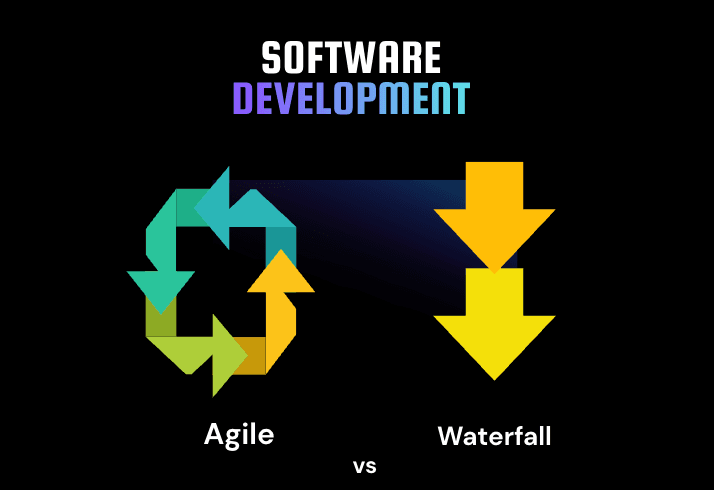
By focusing on these testing aspects, Australian businesses can ensure their fintech software is not only functional but also secure and reliable. For further insights on testing critical financial workflows before release, consider exploring the Agile Vs Waterfall In Software Development Key Differences Explained to understand how different methodologies can impact your development process.
How Dev House Australia Supports Fintech Software Development
Dev House Australia supports Australian businesses that need fintech software designed around complex transaction workflows, sensitive financial data, and integrations with existing business systems. This can include requirements analysis, software architecture, cloud infrastructure, API development, payment gateway integration, data engineering, customer portals, workflow automation, and connections with accounting, CRM, and other operational platforms. The focus is on building software around clear business processes while maintaining reliability, scalability, and secure data handling.
For organisations moving from planning into implementation, Dev House Australia can also support functional testing, integration testing, security testing, performance testing, regression testing, monitoring, and ongoing maintenance. This helps businesses validate critical financial workflows, manage external dependencies, prepare for higher transaction volumes, and maintain software as payment platforms, APIs, infrastructure, and operational requirements change over time.
Conclusion
Fintech software development in Australia requires careful planning across architecture, security, data management, integrations, testing, scalability, and operational reliability. Businesses should define transaction workflows, user permissions, reporting requirements, external dependencies, and expected system behaviour before development begins so technical decisions remain aligned with the actual needs of the platform.
A well-planned fintech application should also account for ongoing change. Payment integrations, APIs, software dependencies, infrastructure, security requirements, and transaction volumes can evolve after launch, making monitoring, testing, maintenance, and scalability planning important parts of the software lifecycle. By addressing these factors early, organisations can create a stronger technical foundation for reliable financial operations and future development.