Key Takeaways
-
Tailored Solutions
Custom CRM development provides tailored solutions that fit unique business workflows.
-
Implementation Speed
Off-the-shelf CRMs can often be deployed faster than custom solutions.
-
Cost Considerations
Evaluate total cost of ownership, including licensing, implementation, and maintenance.
-
Integration Needs
Assess integration requirements with existing systems to ensure seamless workflows.
Australian founders, owners, CTOs, product leads, and operations leaders often face a critical decision when it comes to managing customer relationships: should they invest in custom CRM development or opt for off-the-shelf CRM platforms? This choice can significantly impact workflows, integrations, data management, scalability, and overall business requirements. Each approach has its merits and drawbacks, making it essential to weigh the options carefully.
Custom CRM development involves creating a tailored solution designed specifically around an organisation's unique workflows, user roles, and operational needs. This can provide a significant advantage for businesses with specialised processes or complex integration requirements. On the other hand, off-the-shelf CRM platforms offer pre-built functionalities that can be deployed quickly and often come with established support and community resources. However, they may not always cater to the unique demands of every business.
In this guide, we will explore the factors that should influence your decision-making process. From implementation speed and budget considerations to integration capabilities and long-term scalability, we will provide a balanced comparison to help you determine which CRM approach aligns best with your organisational goals.
Understanding Custom CRM Development
When evaluating CRM solutions, the choice between custom CRM development and off-the-shelf platforms hinges on your organisation's unique needs. Off-the-shelf CRMs, like Salesforce or HubSpot, offer established functionalities, including sales tracking, customer service, and marketing automation. These systems are typically faster to implement and come with a range of configurable features, making them suitable for businesses with standard processes and limited customisation needs.
However, there are scenarios where a tailored CRM becomes essential. If your business has specialised workflows, complex data relationships, or unique reporting requirements, a custom CRM can provide the flexibility and control necessary to meet those demands. Custom solutions are built specifically around your organisation's processes, allowing for tailored user roles, data structures, and integrations with other systems.
A thorough requirements analysis is crucial in this decision-making process. Begin by mapping your existing workflows, such as lead capture, account management, and customer onboarding. Identify any pain points and gaps in your current system. For instance, if your sales process involves multiple stages that require specific data inputs, a custom CRM can streamline these workflows more effectively than a generic solution.
Consider integration needs as well. Many businesses rely on various systems, such as ERP and accounting software, that must work seamlessly with your CRM. A tailored solution can ensure these integrations are designed to fit your operational requirements, while off-the-shelf options might limit your ability to connect with essential tools.
Ultimately, the decision should be guided by a clear understanding of your business processes and customer management needs, rather than a default preference for custom or off-the-shelf solutions.
When an Off-the-Shelf CRM Is Enough
When considering whether to adopt an off-the-shelf CRM solution or pursue custom CRM development, it is essential to evaluate your specific business needs and workflows. Off-the-shelf CRM platforms, such as Salesforce or HubSpot, offer pre-built functionalities that cater to standard sales, customer service, and marketing processes. These solutions can be quickly implemented and typically require less upfront investment. They are ideal for businesses with straightforward requirements, such as common integrations, basic reporting needs, and established workflows.
However, there are scenarios where a custom CRM becomes necessary. If your organisation has unique workflows, complex business rules, or requires specific data structures, a tailored solution may be more appropriate. Custom CRM development allows for the design of software that aligns precisely with your operational needs, including bespoke user roles, advanced reporting capabilities, and complex integrations with existing systems.
When assessing the decision, consider the following criteria:
- Implementation Speed: Off-the-shelf CRMs can be deployed quickly, while custom solutions require a more extensive development process.
- Flexibility and Customisation: Off-the-shelf options offer limited customisation, whereas custom CRMs can be tailored to fit your exact requirements.
- Integrations: Evaluate how well each option integrates with your existing systems. Custom solutions can be designed to work seamlessly with your unique tech stack.
- Total Cost of Ownership: Consider not just the initial costs but ongoing maintenance, licensing, and potential future upgrades.
By analysing these factors, you can make a more informed decision about which CRM approach best supports your business goals. For further insights on integrating CRM workflows with existing business systems, visit our IT Consultancy Advisory page.
Key Factors in Choosing Between Custom and Off-the-Shelf CRM
When evaluating whether to opt for custom CRM development or an off-the-shelf CRM solution, it's essential to start with a clear understanding of your business processes and customer management needs. Both approaches have their merits, and the choice depends on various factors such as workflow complexity, integration requirements, and budget constraints.
Off-the-shelf CRMs are pre-built solutions that offer configurable features for sales, customer service, marketing, and reporting. They are ideal for businesses with standard processes and moderate scale. If your organisation relies on common workflows and requires basic integration capabilities, an off-the-shelf option may suffice. These platforms often allow quick deployment and come with established support systems, making them a practical choice for many SMEs.
On the other hand, custom CRM software is designed specifically to fit your organisation's unique workflows, user roles, and data structures. This tailored approach can be beneficial when your business involves complex processes, multiple integrations, or specific reporting needs that off-the-shelf solutions cannot adequately address. Custom development can also provide better control over data ownership and security, which is increasingly important for compliance with Australian Privacy Principles.
When considering custom CRM development, think about the long-term implications. While it may require a higher initial investment and longer implementation time, it can lead to greater efficiencies and better alignment with your operational goals. Assess your integration needs with existing systems like ERP or accounting platforms, as well as the potential for automation and data migration from legacy systems.
Ultimately, the decision should align with your strategic objectives, taking into account the total cost of ownership, including maintenance and future scalability. Evaluate your internal capabilities to manage a custom solution versus the support provided by off-the-shelf vendors. By carefully analysing these factors, you can make a more informed choice that supports your business's growth and operational efficiency.
Comparing Costs: Custom vs Off-the-Shelf CRM
When considering CRM solutions, it's essential to understand the fundamental differences between off-the-shelf and custom CRM development. Off-the-shelf CRMs are established software platforms, such as Salesforce or HubSpot, that provide configurable features for sales, customer service, marketing, and reporting. These platforms are designed to cater to a wide range of businesses with standard workflows and common integrations. They often come with a subscription model, which includes regular updates and support.
On the other hand, custom CRM development involves creating a tailored solution specifically designed to meet an organisation's unique workflows, user roles, and operational requirements. This approach allows businesses to build a system that aligns perfectly with their processes, integrating seamlessly with existing tools and databases. Custom solutions can accommodate complex business rules, specialised reporting needs, and unique data structures that off-the-shelf solutions may struggle with.
The decision between these two approaches should start with a thorough analysis of your business processes and customer management requirements. For instance, if your organisation has standard sales processes and limited customisation needs, an off-the-shelf CRM may suffice. However, if you frequently encounter manual workarounds or have specialised workflows, investing in custom CRM software might be more beneficial.
Additionally, consider the integration requirements with other systems, such as ERP, accounting platforms, or marketing tools. The complexity of these integrations can significantly impact your decision. If you find that existing platforms do not support your needs effectively, it may be time to explore tailored solutions that can provide the necessary flexibility and control.
Understanding these differences can help you make a more informed choice that aligns with your organisation's long-term goals and operational efficiency. For further insights, you may want to explore how Marketplace Businesses Integrate ERP, CRM, and Payment Systems to enhance their customer management capabilities.
Assessing Integration and Workflow Requirements
When considering CRM solutions, it's essential to assess your organisation's specific workflows and integration needs. An off-the-shelf CRM platform often provides a quick and cost-effective solution, especially for businesses with standard sales processes and common integrations. These platforms typically come with pre-built functionalities that can be configured to fit general requirements, making them suitable for SMEs that need to get up and running quickly without extensive customisation.
However, when your business has unique workflows, complex data relationships, or requires specific automation, a custom CRM development approach may be more appropriate. Custom solutions allow you to design software tailored to your operational needs, incorporating specialised user roles, permissions, and reporting capabilities that off-the-shelf products may not support effectively. This approach can be particularly beneficial for organisations that face repeated workarounds with existing platforms or have strict compliance requirements.
The decision should begin with a thorough workflow analysis. Consider how leads are captured, qualified, and managed throughout the sales pipeline. Evaluate customer onboarding processes, sales handovers, and how customer service interactions are handled. If your workflows are complex and require unique data structures or multiple integrations with existing systems like ERP or accounting platforms, a tailored solution may be justified.
Remember that integration complexity can greatly influence your decision. If you find yourself relying on multiple fragile workarounds to connect various systems, this may increase operational risk and maintenance effort. Therefore, a clear understanding of your integration requirements, data migration needs, and long-term scalability is crucial in determining whether to pursue custom CRM software or stick with an off-the-shelf solution. For further insights into software development in Australia, you can refer to A Complete Guide To Software Development In Australia.
The Role of Data Migration in CRM Decisions
When evaluating CRM solutions, data migration plays a crucial role in the decision-making process. It involves transferring existing customer data from legacy systems, spreadsheets, or other sources into a new CRM platform. This step is essential whether you choose a custom CRM development or an off-the-shelf solution, as the quality and completeness of your data directly impact the effectiveness of your new system.
For many businesses, particularly those with unique data structures or complex customer relationships, custom CRM development is often justified. This approach allows for tailored data models that reflect specific operational needs, ensuring that all relevant information is captured accurately. Businesses must consider factors such as data mapping, cleansing, and validation during migration. Poor-quality or duplicated data can lead to significant issues down the line, making it critical to address these problems before the migration process.
On the other hand, off-the-shelf CRM platforms typically come with predefined data structures that may not fit every organisation's needs. While they offer quicker deployment and lower initial costs, they may require extensive configuration to accommodate unique data requirements. This can lead to complications during data migration, especially if the existing data does not align well with the new system's structure.
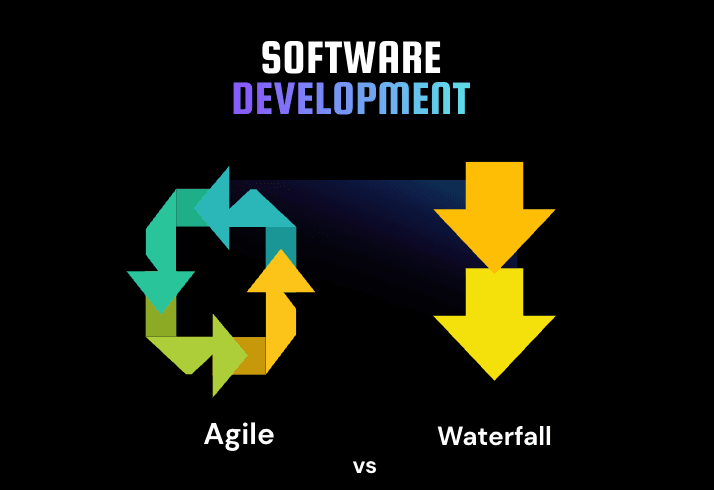
In summary, when assessing CRM options, businesses should prioritise their data migration strategy. Understanding the implications of data quality, structure, and integration capabilities will help ensure a smoother transition, regardless of whether a custom or off-the-shelf CRM is chosen. For further insights, consider exploring the differences between agile and waterfall approaches in software development, as these methodologies can also influence your CRM implementation strategy.
How Dev House Australia Supports CRM Development
Dev House Australia supports Australian businesses in assessing whether an off-the-shelf CRM, an extended existing platform, or a tailored CRM solution best fits their operational requirements. This can include requirements analysis, workflow mapping, user-role definition, integration planning, reporting needs, data structure assessment, and reviewing how existing CRM, ERP, accounting, or other business systems currently work together.
For organisations with specialised workflows, complex integrations, unique data relationships, or growing scalability requirements, Dev House Australia can also support CRM architecture, custom workflow development, API integrations, data migration, automation, testing, deployment, and ongoing optimisation. The focus is on building or extending CRM capabilities around real business processes without introducing unnecessary complexity where an existing platform can already meet the requirement.
Conclusion
Choosing between a custom CRM and an off-the-shelf platform depends on how closely standard CRM functionality aligns with the organisation’s actual workflows, integrations, data structures, reporting needs, and future growth. Off-the-shelf platforms can provide faster implementation for businesses with standard requirements, while tailored solutions can offer greater flexibility where operational needs are more specialised.
For Australian businesses, the decision should also consider data migration, integration complexity, scalability, maintenance, user adoption, and total cost of ownership. A structured assessment of current systems and workflows can help determine whether the best approach is to configure an existing CRM, extend it through integrations, or develop a more tailored customer-management platform.