Key Takeaways
-
Key Features to Look For
Essential features include project planning, scheduling, document management, and reporting.
-
When to Consider Custom Solutions
Consider custom solutions for unique workflows or complex integrations.
-
Integration Capabilities
Ensure the software can integrate with existing tools and systems.
-
Benefits of Tailored Software
Tailored software enhances efficiency and project visibility.
Australian construction businesses face unique challenges that can be effectively addressed through construction software development. As project managers, operations teams, and business leaders assess their needs, it becomes crucial to understand the essential features that construction management software should encompass. This understanding not only aids in selecting the right tools but also in determining when tailored solutions are necessary, especially in complex workflows and site operations.
Construction management software serves as a central hub for coordinating various aspects of a project, including schedules, budgets, procurement, and communication among stakeholders. However, the standard offerings may not always fit the specific requirements of every project or organisation. Therefore, knowing when to pursue custom construction software can significantly enhance operational efficiency, particularly for businesses dealing with specialised workflows, integrations, or reporting needs.
In this guide, we will explore the key capabilities that construction management software should include, the importance of aligning software features with real-world project workflows, and the scenarios where custom development becomes a justified investment. By focusing on practical applications and operational problems, Australian construction leaders can make informed decisions that drive productivity and project success.
Map Construction Workflows Before Choosing Software
Mapping construction workflows is essential before selecting any software solution. This process helps identify the specific needs of your construction projects and ensures that the chosen software aligns with operational requirements. Start by outlining the workflows involved in your projects, including project setup, planning, scheduling, and execution.
Begin with project setup, detailing essential elements such as project milestones, budgets, and stakeholder responsibilities. This clarity helps in selecting software that can accommodate these elements effectively. Next, consider project planning and scheduling. Effective construction management software should allow you to define phases, dependencies, and tasks while providing visibility into progress and potential delays.
When evaluating software, it’s crucial to differentiate between high-level project scheduling and the detailed coordination of site tasks. The former provides an overview, while the latter focuses on day-to-day operations, which may require more granular features.
Document management is another critical component. Your software should facilitate the storage and retrieval of essential documents like drawings, specifications, and contracts. Version control is vital to ensure that teams are working with the most current information, reducing the risk of errors.
Finally, consider how the software integrates with existing tools and systems. Effective integration can streamline workflows, reduce manual data entry, and enhance overall project visibility. If your operations involve unique workflows or require specific reporting capabilities that standard platforms cannot provide, this may justify the need for tailored construction software.
By thoroughly mapping your construction workflows, you can make informed decisions about the software that will best support your operations and drive project success. For more insights on automating workflows, explore our Business Process Automation services.
What Should Construction Management Software Include?
Construction management software is essential for coordinating various aspects of construction projects, from planning to execution. To ensure that the software meets the needs of Australian construction businesses, it should include several key functionalities.
First, project setup and information management are critical. This includes capturing project details such as teams, stakeholders, locations, phases, milestones, budgets, and responsibilities. A well-structured system allows users to easily access and update information, ensuring everyone is on the same page.
Next, project planning and scheduling features should enable users to define phases, milestones, dependencies, and tasks. It’s important to distinguish between high-level project scheduling and detailed site-task coordination. High-level scheduling gives an overview of the project timeline, while detailed coordination focuses on day-to-day tasks and their interdependencies.
Task and work-package management is another crucial component. Users should be able to assign ownership, set deadlines, track status, and attach relevant notes or documents. This helps ensure accountability and progress tracking.
Document management capabilities are vital for handling drawings, specifications, contracts, and other project files. Version control is essential to avoid confusion over outdated documents, allowing teams to quickly identify the latest versions.
Additionally, integrating with existing tools, such as ERP systems, can streamline workflows. This integration allows for seamless data transfer, reducing the need for duplicate entries and improving overall efficiency. For more information on integrating project workflows with ERP and accounting systems, check out our ERP Development page.
By focusing on these essential features, construction management software can effectively address the operational challenges faced by Australian construction businesses, enhancing project visibility and coordination.

Ready to Transform Your Construction Management?
Explore how tailored construction management software can enhance your project workflows and operations.
Connect Site Teams With Project Information
To effectively connect site teams with project information, construction management software must encompass a variety of capabilities tailored to the specific needs of Australian construction businesses. Key functionalities should include:
Project Setup and Information: The software should facilitate the entry of essential project details such as teams, stakeholders, locations, phases, milestones, and budgets. This ensures all parties have access to the same foundational information.
Planning and Scheduling: A robust scheduling module is crucial for tracking project phases, milestones, dependencies, and tasks. The software should allow for progress updates and visibility into delays, distinguishing between high-level project timelines and detailed site-task coordination.
Task and Work-Package Management: Effective management of tasks includes assigning ownership, setting deadlines, and tracking status. This helps ensure accountability and clarity within project teams.
Document Management: The ability to manage documents, such as drawings, contracts, and reports, is vital. Version control features enable teams to identify current documents, reducing the risk of relying on outdated information.
RFIs and Change Management: A streamlined process for submitting and tracking Requests for Information (RFIs) and managing changes is essential. This includes documenting proposed changes, approvals, and any implications on cost or schedule.
Mobile Functionality: Given the nature of construction work, mobile access is critical. Site teams should be able to update information on-the-go, even in areas with unreliable connectivity.
When assessing construction software development, Australian businesses should begin by analysing their actual workflows and project management challenges rather than relying on a pre-determined list of features. This approach ensures that the chosen software aligns with their operational needs and enhances overall efficiency. For more on how to integrate project workflows with ERP and accounting systems, refer to our Cloud Development services.
Manage Drawings, RFIs and Project Documents
Construction management software plays a crucial role in coordinating various aspects of construction projects, including drawings, requests for information (RFIs), and project documents. For Australian construction businesses, understanding how to manage these elements effectively can enhance project efficiency and reduce errors.
A robust construction management platform should include features that facilitate document management, such as version control, which ensures that all team members are working with the most current drawings and specifications. This is vital in avoiding reliance on outdated information that can lead to costly mistakes. Drawing management functionality should allow for easy access to plans, revisions, and annotations, enabling teams to link drawings with site issues or project records seamlessly.
RFIs are another critical component of project documentation. Software should support the submission, assignment, and tracking of RFIs, ensuring that all inquiries are documented and linked to project records for transparency. Effective management of RFIs helps streamline communication between stakeholders and reduces delays caused by unclear or unaddressed questions.
In addition to managing documents and RFIs, construction management software should also support change management processes. This includes documenting proposed changes, managing approvals, and tracking cost or schedule implications. By implementing a structured approach to change management, teams can maintain control over project scopes and budgets.
When considering construction software development, it's essential to evaluate the specific workflows and operational challenges faced by your team. Custom construction software may be justified when standard platforms do not meet unique project requirements or when integration with existing tools is necessary for efficient operations.
Integrate Construction Software With ERP and Accounting Systems
Integrating construction software with ERP and accounting systems is crucial for streamlining operations in Australian construction businesses. Effective integration allows for seamless data flow between various platforms, reducing the need for manual data entry and minimising errors. This connectivity is essential for managing project costs, tracking budgets, and ensuring compliance with financial regulations.
When considering integration, it's important to assess the specific needs of your organisation. Here are some key areas to focus on:
Data Synchronisation: Ensure that project information, financial data, and procurement details are updated in real-time across systems. This reduces discrepancies and enhances decision-making.
API Utilisation: Leverage APIs to connect your construction management software with ERP and accounting platforms. This allows for automated data transfer, improving efficiency and accuracy.
Custom Workflows: Tailor your integration to reflect the unique workflows of your business. For example, if your projects require specific approval processes or have unique reporting needs, ensure that these are accommodated in the integration plan.
User Roles and Permissions: Define user roles clearly to control access to sensitive information. This is vital for maintaining project confidentiality and ensuring that team members only see data relevant to their responsibilities.
Testing and Quality Assurance: Before rolling out any integration, conduct thorough testing to ensure that all systems communicate effectively. This should include functional testing, integration testing, and user acceptance testing to validate that workflows operate as intended.
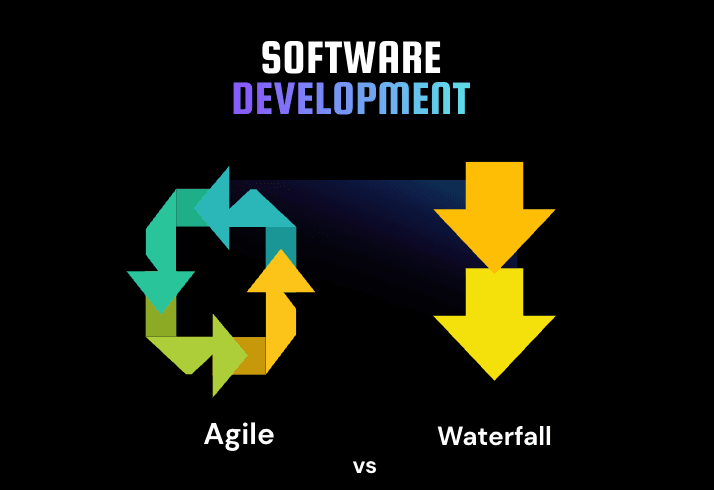
Integrating construction software with ERP and accounting systems not only enhances operational efficiency but also provides better visibility into project finances. By focusing on these areas, construction businesses can create a more cohesive and efficient operational environment. For further insights into software development methodologies, you can explore the differences between Agile and Waterfall in software development.
Planning a software project in Australia?
Tell us what you want to build. We’ll help you shape the scope and the next step in a free consultation.
When Does Custom Construction Software Make Sense?
Map Construction Workflows Before Choosing Software
When considering construction software development, it’s essential to start with a clear understanding of actual workflows and project-management challenges. This approach helps ensure that the software aligns with the unique needs of your construction business.
Begin by mapping out your current processes. Identify the key stages of project management, such as planning, scheduling, procurement, and site operations. Consider how these workflows interact and where bottlenecks occur. For example, if your team struggles with document management, look for software that offers robust features for managing drawings, specifications, and approvals.
Next, assess the specific modules that will be valuable for your operations. Common functionalities include:
- Project Planning and Scheduling: Ensure the software can handle dependencies, milestones, and task assignments effectively.
- Document Management: Look for version control and easy access to current project documents to avoid confusion on site.
- RFIs and Change Management: Streamlined processes for submitting and tracking requests for information and managing changes can significantly enhance communication.
Integration capabilities are also critical. Your construction management software should work seamlessly with existing tools, such as ERP systems or accounting software. This integration reduces the need for duplicate data entry and helps maintain data accuracy.
Finally, evaluate whether a custom construction software solution is necessary. If your workflows are highly specialised or if you face persistent manual workarounds, tailored development may be justified. Conversely, if standard platforms meet your needs, consider them as a cost-effective option.
By focusing on real construction workflows, you can make informed decisions about the software that will best support your team's efficiency and project success. For further insights, explore our article on AI Software Development Australia.
How Dev House Australia Supports Construction Management Software Development
Dev House Australia supports Australian construction businesses in assessing how software can better support project planning, scheduling, document management, RFIs, site reporting, procurement, and communication between office and field teams. This can include workflow analysis, requirements planning, mobile functionality, user-role design, document and drawing management, and integration with existing ERP, accounting, and other operational systems.
For businesses with specialised project workflows or disconnected systems, Dev House Australia can also support API integration, workflow automation, data synchronisation, role-based permissions, testing and quality assurance, cloud infrastructure, and phased software rollout. The approach can be aligned with existing construction processes so organisations can improve current platforms where practical or introduce tailored functionality when standard software no longer supports operational requirements.
Conclusion
Construction management software should make project information easier to access, update, and coordinate across office and site teams. Capabilities such as scheduling, document management, version control, RFIs, mobile access, project reporting, and system integration become most valuable when they reflect how construction projects actually operate rather than adding unnecessary administrative steps.
For Australian construction businesses, the right software approach depends on project complexity, existing systems, user requirements, reporting needs, integration challenges, and the level of customisation required. Mapping construction workflows first can help determine whether an established platform, targeted integration, modernisation, or tailored construction software is the most practical long-term option.